Commingling and hygiene improve piglet health post-weaning
A Teagasc study found that mixing piglets before weaning and enhancing hygiene significantly reduces post-weaning aggression and diarrhoea. The research, conducted across four commercial farms, highlights practical benefits for animal welfare amid new antimicrobial restrictions.
Source:
Teagasc Agricultural News
•
⏱️ 1 min read
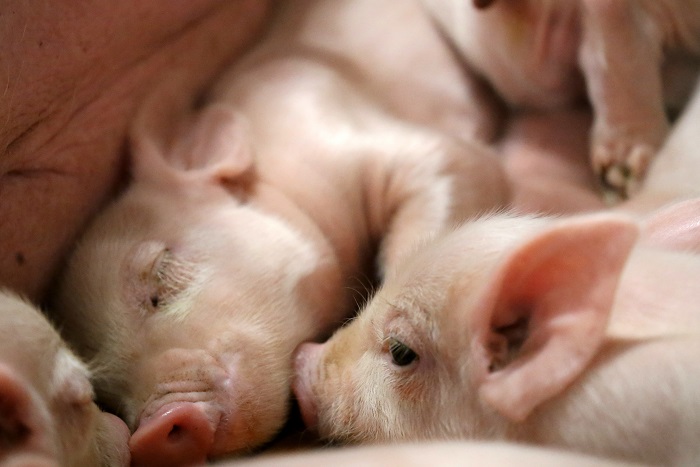
Mario Ornelas, a Postdoctoral Researcher, has highlighted how combining commingling with improved hygiene can effectively decrease post-weaning aggression and diarrhoea in piglets. This approach addresses growing challenges in the pig industry, especially as recent legislation limits antimicrobial and zinc oxide use, while demanding higher animal welfare standards.
A Teagasc study conducted on four farms tested three groups: one with commingling at 10 days old and enhanced hygiene, one with just improved hygiene, and a control group with standard conditions. Commingling involved removing barriers between farrowing pens to create shared spaces, while improved hygiene included thorough cleaning, detergent application, disinfection with chlorocresol, and drying periods before introducing sows.
Results showed that piglets commingled during lactation had five times fewer fighting lesions two days post-weaning compared to non-commingled pigs (4% versus 21%). Improved hygiene also reduced diarrhoea scores significantly. Growth rates and mortality did not differ notably between groups. Additionally, commingling allowed piglets to establish social hierarchies earlier and enabled easier labour management, such as centralising feeders. Importantly, this method allowed weaker piglets to access milk from less competitive litters without rejection. However, commingling should be avoided if infection signs like diarrhoea are present to prevent disease spread.
0 views