Heritage barley varieties rediscovered for modern use
Researchers have explored historic barley strains preserved in Ireland’s national seed bank to uncover qualities suited to contemporary brewing and food markets. This investigation reveals valuable genetic traits and brewing potential, revitalising interest in traditional varieties across Ireland.
Source:
Teagasc Agricultural News
•
⏱️ 1 min read
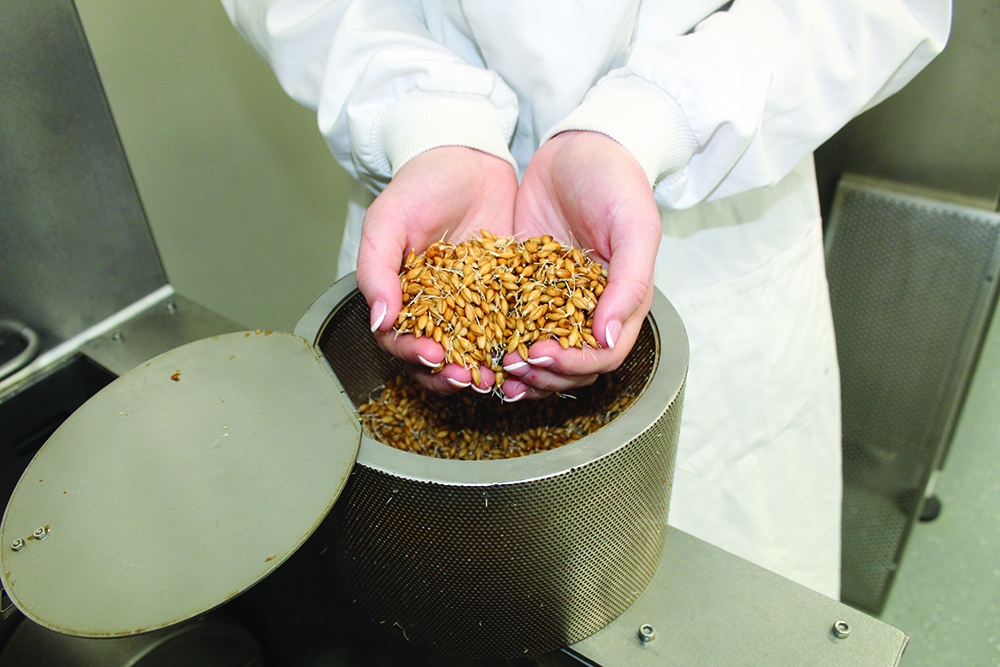
Historic barley varieties safeguarded in Ireland’s national seed bank are being reassessed for their potential to enhance modern brewing, distilling, and food production. Led by Teagasc and partner institutions, scientists have reconstructed decades of barley breeding history and analysed preserved grain samples to identify unique qualities that could appeal to today’s artisan and commercial markets.
Barley remains Ireland’s primary cereal crop, cultivated mainly for animal feed and beverage industries. However, growing demand from craft brewers, distillers, and food producers has sparked renewed interest in heritage grains, prized for distinctive flavour profiles and nutritional benefits. Older barley varieties, developed through early 20th-century breeding programmes in collaboration with Guinness, are now being evaluated for their agronomic and malting characteristics.
The research team, including Susanne Barth and Colin Kelleher, combined genetic analysis with physical testing at Teagasc’s National Centre for Brewing and Distilling in Oak Park. They assessed traits such as protein content, beta-glucan levels, germination quality, and malting performance. Although historic lines displayed variability in yield and processing compared to modern varieties, their unique properties offer promising avenues for future breeding efforts and specialised applications within Ireland’s brewing and food sectors.
0 views