Climate change intensifies July evaporation across Irish farmlands
A recent rapid attribution study reveals that rising temperatures and increased evaporation are compounding the impact of low rainfall on Irish agriculture. Experts warn that these shifting weather patterns threaten crop yields and livestock feed supplies as global warming accelerates.
Source:
Teagasc Agricultural News
•
⏱️ 1 min read
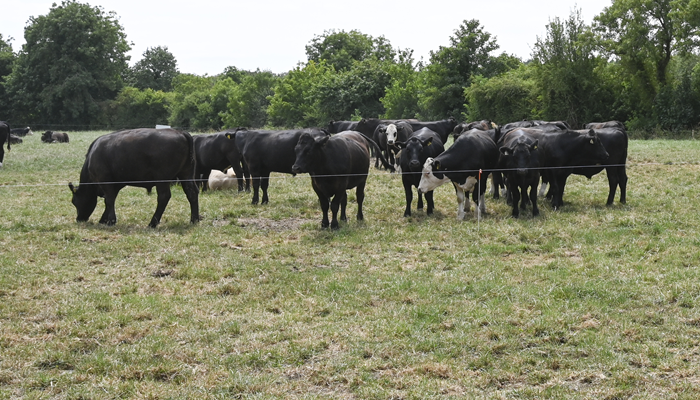
A comprehensive rapid attribution study spearheaded by the WASITUS project at Maynooth University, alongside researchers from Met Éireann and Teagasc, has demonstrated that climate-driven temperature increases are significantly elevating evaporation levels. This phenomenon is exacerbating dry land conditions during periods of low rainfall, posing fresh challenges for the agricultural sector as global warming continues to push boundaries.
Dr Claire Bergin from the ICARUS Climate Research Centre noted that while warmer summers might seem pleasant to some, the heightened atmospheric drying capacity is deeply concerning for those who earn their living from the land. Following exceptionally warm summers, parched fields and depleted grass yields are becoming more common when dry weather follows wet winters, placing substantial strain on forage reserves and overall farm management.
Experts stress that adapting to a continuously shifting climate requires urgent moves towards a carbon-neutral economy alongside enhanced resilience planning on farms. Stakeholders can access further details and review the complete Summer Round-up Report available on the official website.
0 views