Irish research drives methane reduction progress
The National Methane Summit in Portlaoise highlighted over ten years of Irish research on reducing livestock methane emissions. Experts showcased advances in measurement, breeding, and feed strategies that are shaping future farming and policy approaches.
Source:
Teagasc Agricultural News
•
⏱️ 2 min read
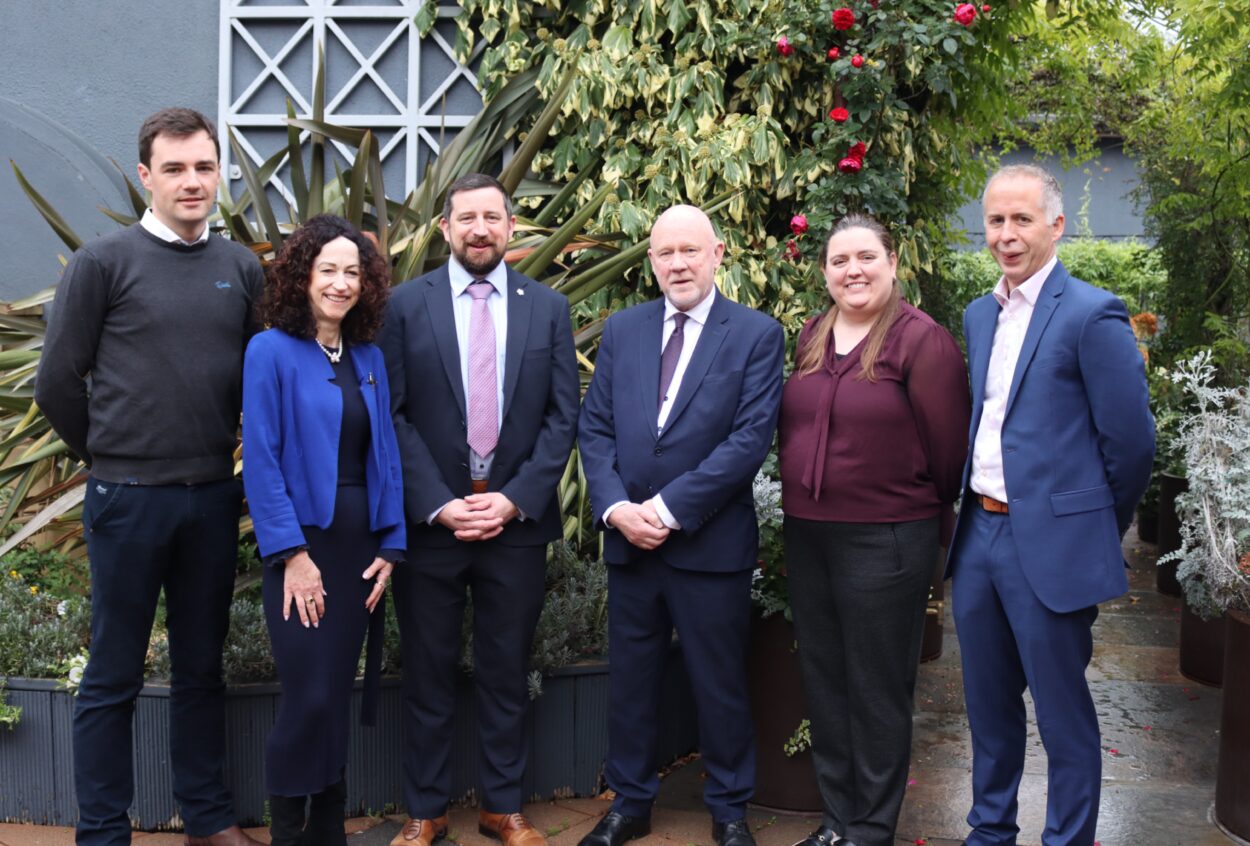
Industry leaders and researchers convened in Portlaoise on 12 October for the National Methane Summit, which marked a decade of progress in understanding and mitigating enteric methane emissions from Irish cattle and sheep. The event, titled "Innovation is Changing the Methane Conversation," brought together a diverse group including policymakers, funders, farmers, and scientists to discuss recent advancements and future directions in methane management.
The summit featured presentations on innovative measurement techniques such as greenfeeds and portable accumulation chambers, alongside emerging technologies like methane sniffers. Research highlights included Fiona McGovern's work on grazing strategies aimed at reducing emissions and Ben Lehart’s studies on feed additives, which demonstrated potential methane reductions of 20–30% in housed animals. These findings are being rigorously evaluated for practical application within Irish farming systems.
Laurence Shalloo of Teagasc emphasised the importance of collaborative efforts in translating scientific knowledge into actionable solutions. Genetic improvements were also showcased, with Philip Carroll from Meat Industry Ireland noting that breeding cattle with naturally lower methane emissions offers a sustainable, cumulative approach to reduction. The summit concluded with a focus on consumer perceptions and the role of transparent communication, as highlighted by Professor Mary McCarthy, underscoring the need to integrate public understanding into the development of methane mitigation innovations.
0 views