Working conditions shape the future of Irish beef farming
The Teagasc National Beef Conference will focus on enhancing profitability and work-life balance for beef farmers. The event in Athlone will present expert insights on improving farm efficiency alongside strategies for sustainable farming and personal wellbeing.
Source:
Teagasc Agricultural News
•
⏱️ 2 min read
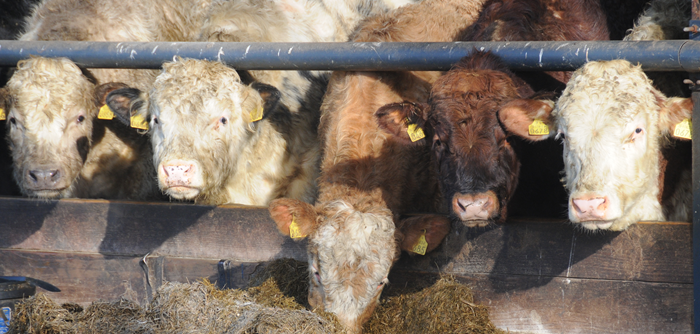
The Teagasc National Beef Conference 2026 will be held on Monday, 30 November at the Hodson Bay Hotel in Athlone, Co. Roscommon. Under the theme ‘Profitable Beef Farming, Balanced Lifestyle’, the conference aims to provide practical guidance to boost profitability and performance on Irish beef farms, while also addressing how farmers can better balance business demands with family life and wellbeing.
The event will commence at 5.00pm with a welcome from James Kelly, Drystock Advisor at Teagasc Roscommon/Longford, followed by an opening address from Professor Frank O’Mara, Teagasc Director. The first session, titled ‘Driving Performance and Profit from Birth to Slaughter’, will feature presentations by Marina Harrington, Teagasc Cattle Specialist, on increasing profit per suckler cow, and Dr Paul Smith from Teagasc Grange, who will share research findings on maximising growth from weaning to finishing.
After a break with complimentary refreshments, the second session, ‘Better Beef, Better Balance’, will explore consumer trends favouring natural proteins and grass-fed beef. Julian Mellentin from New Nutrition Business will contribute insights, while Galway farmer Aonghusa Fahy will discuss managing full-time teaching alongside part-time farming. The evening will conclude with a panel discussion on managing workloads and promoting sustainable practices featuring farmers and representatives from Teagasc and the Health and Safety Authority. Pearse Kelly, Head of Drystock Knowledge Transfer at Teagasc, will close the conference at 8.45pm.
In preparation for winter, Niall Kerins, Teagasc Cattle Specialist, emphasises the importance of tailored nutrition strategies. Testing grass silage for nutrient content is vital to ensure cattle meet their energy requirements, measured in UFL or UFV, depending on the animal’s stage. Farmers are urged to assess winter fodder supplies promptly and plan accordingly to avoid shortages, including considering additional silage purchases or adjusting concentrate feeding.
Safety during the winter months is also highlighted, with advice to maintain lighting, machinery, and tidy yards to reduce accidents. Routine tasks should be scheduled during daylight hours when possible. Teagasc continues to support beef farmers through programmes like DairyBeef 500 and Future Beef, alongside weekly podcasts providing timely advice and updates.
1 views