Key advice for heifer growth and feeding this November
Farmers are urged to focus on proper heifer weight management as winter housing approaches. Expert Martina Gormley highlights the importance of monitoring liveweight and adjusting feeding regimes to support healthy growth and future milk production on Irish dairy farms.
Source:
Teagasc Agricultural News
•
⏱️ 1 min read
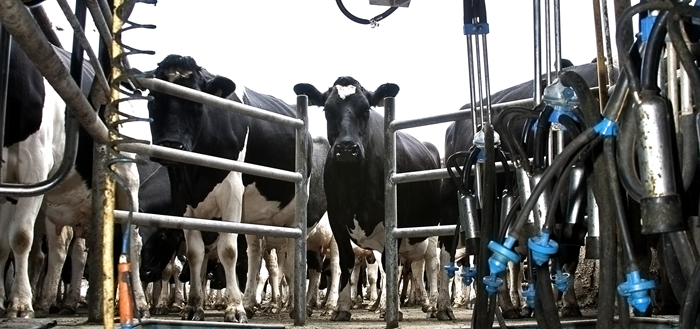
With many heifers now housed or scheduled for housing in the coming weeks, Teagasc Dairy Specialist Martina Gormley emphasises the critical need for farmers to monitor heifer weights and manage feeding carefully throughout the winter months.
Getting young stock weighed and grouped by weight is essential at this time. Achieving target growth rates and optimum liveweight at first calving is a key farm management benchmark, as underweight heifers face higher risks of difficult calving, reduced milk output, and shorter productive lifespans. Conversely, overweight heifers also experience negative outcomes affecting herd survival.
The Economic Breeding Index (EBI) maintenance sub-index provides valuable insight into expected costs for rearing and maintaining replacement heifers. Positive values indicate lower liveweight animals that require less feed for maintenance, freeing energy for increased milk solids production. Negative values correlate with heavier cows requiring more feed, reducing energy available for milk production. For example, a heifer born on 1 February with a maintenance SI of 10 should weigh approximately 175kg by 1 August, 233kg by 1 November, and 350kg by 1 May. To meet target weight gains of 0.5kg to 0.7kg per day over winter, farmers should adjust concentrate feeding levels according to silage quality, as outlined by Teagasc guidelines.
0 views