Essential tips for grazing forage brassicas safely
As winter approaches, farmers begin grazing forage brassica crops to sustain ewes and lambs with affordable nutrition. Teagasc researcher Frank Campion outlines key management practices to optimise animal health and crop utilisation while protecting water quality.
Source:
Teagasc Agricultural News
•
⏱️ 2 min read
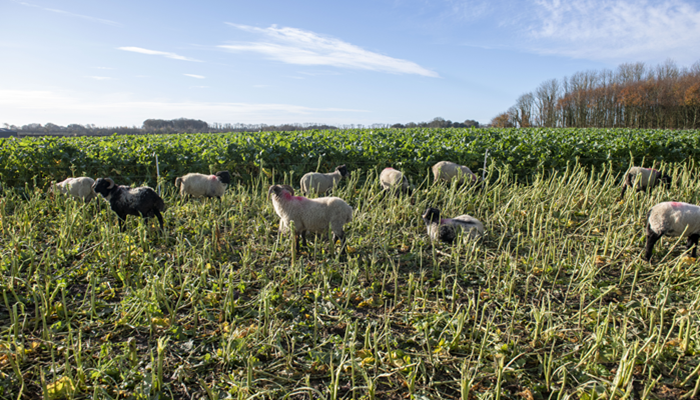
Frank Campion, a researcher at Teagasc Athenry specialising in forage crops, emphasises the importance of careful management when grazing forage brassicas during the winter months. These crops offer an economical source of nutrition for sheep, but require gradual introduction and adherence to GAEC guidelines, including maintaining at least 30% lie-back space and designated buffer zones to protect water quality.
Sheep should initially graze the brassicas for one to two hours daily, gradually increasing access to full-time grazing. It is crucial that animals always have access to clean drinking water and an alternative forage such as a grass run-back. Studies by Teagasc have explored varying grazing durations to enhance crop usage and lamb performance, highlighting the need to avoid prolonged grazing in one area to maximise leaf consumption and nutritional benefit.
Farmers should measure crop yield and calculate dry matter availability to determine appropriate grazing areas based on flock size and feed intake (3-4% of body weight). Electric polywire fences, typically with three to four strands, provide flexible grazing management but require crop trimming to prevent power loss. Avoid introducing sheep to frozen crops until thawed, and provide mineral supplements rich in iodine, cobalt, and selenium to counteract low trace elements and goitrogens in brassicas. Address any lameness before turnout and maintain animal health standards throughout grazing, ensuring lambs meet cleanliness and livestock policy requirements before slaughter.
1 views