Practical steps to protect water quality on farms
This month’s Teagasc campaign highlights essential actions to reduce pollution and safeguard water resources on farms. It focuses on improving gutter maintenance, managing silage effluent, and controlling sediment runoff to enhance environmental compliance nationwide.
Source:
Teagasc Agricultural News
•
⏱️ 2 min read
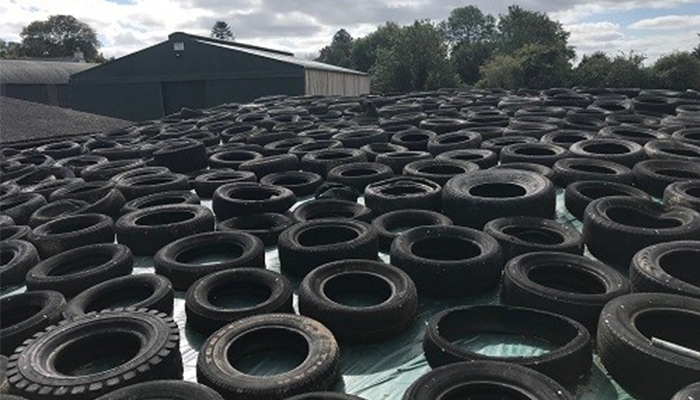
Maintaining water quality on farms remains a priority, with this month’s Teagasc Better Farming for Water Campaign offering five practical tips to help farmers reduce pollution risks. A key recommendation is ensuring gutters and downpipes are fully operational, as faulty ones were identified as the leading cause of non-compliance during the 2025 national Good Agricultural Practice inspections, accounting for 43% of issues. Clean rainwater must be directed away from contaminated yards to avoid mixing with silage residues and soil.
Silage management also demands attention, particularly regarding effluent leaks from pits or bale stacks. Silage effluent, which is highly acidic and considerably more damaging than raw sewage, can degrade concrete and pollute waterways if not properly contained. Farmers are urged to check effluent channels regularly and ensure runoff is directed to suitable storage tanks. Additionally, maintaining dry and well-covered manure storage areas is critical to prevent nutrient loss and water contamination during the winter months.
Sediment control is vital, especially when harvesting late-season crops like maize and fodder beet on wet soils. Farmers should establish vegetated buffer zones alongside waterways, ideally three metres wide or six metres on sloped land, to trap sediment before it reaches streams or rivers. These measures, combined with regular yard cleaning and effective runoff management, contribute significantly to protecting aquatic ecosystems and improving compliance with environmental standards. For further information, farmers are encouraged to consult the Teagasc Better Farming for Water Campaign resources online.
0 views