Top tips for sheep management this November
Sheep farmers are advised to focus on pasture management, mating monitoring, and liver fluke treatment this November. Expert Damian Costello highlights practical steps to maintain flock health and comply with sheep schemes across Irish farms during the late autumn period.
Source:
Teagasc Agricultural News
•
⏱️ 2 min read
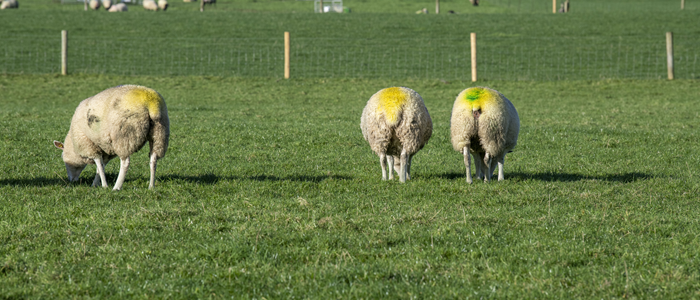
November is a crucial month for sheep farmers aiming to prepare pastures for spring. Maintaining a sward height of around 4.0cm encourages tillering by letting light reach the base, promoting quality grass growth. Given the robust growth following the recent dry spell, farms with heavy grass covers are advised to use temporary electric fencing to create 3-4 day grazing blocks, helping to manage sward utilisation effectively.
Farmers may consider merging mating groups after the initial cycle to accelerate grazing and reduce ewe reproductive stress. Once paddocks are closed, they should remain undisturbed for approximately 120 days, allowing grass to build up for spring turnout; prioritising the closure of fields intended for early lambing is recommended. Damian Costello suggests a phased closing plan, with 20% of land closed by late October, increasing to 80% by mid-December, finishing with the remainder by January.
Monitoring ram fertility remains vital, with raddle colours changed every 14 days to track mating progress and detect potential fertility issues. Rams showing signs of infertility or physical problems should be removed promptly. After breeding, rams require a high nutrition diet with appropriate supplementation to restore condition. Regarding liver fluke, despite a dry summer, farmers should remain vigilant, using abattoir feedback and the Department of Agriculture’s annual forecast to guide treatment. Choosing the correct flukicide targeting immature stages and respecting withdrawal periods is essential. Compliance with sheep schemes such as SIS and NSWS is also important to secure payments and avoid penalties, and farmers with housed sheep should prepare accommodation for winter. For further guidance, the Teagasc OviCast podcast offers up-to-date advice on sheep farming.
0 views