Women remain underrepresented in Irish farming succession
Despite decades of progress, female farm holders in Ireland remain scarce, with 80% of farm successors being men. Recent research highlights ongoing income disparities and the vital innovative contributions women bring to agriculture, underscoring a need for greater support.
Source:
Teagasc Agricultural News
•
⏱️ 2 min read
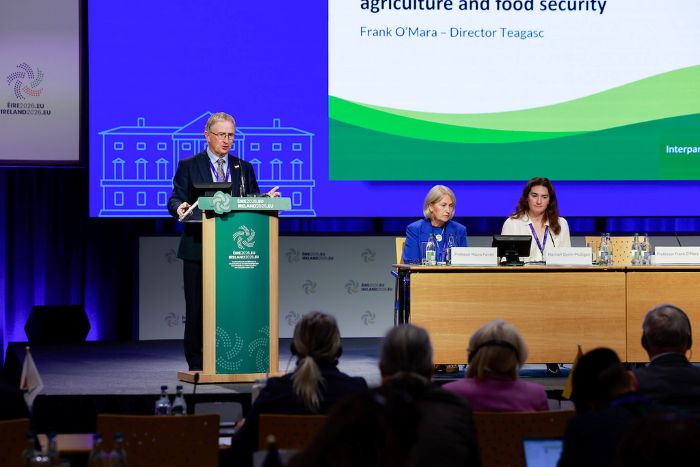
Over the last thirty years, the number of female farm holders in Ireland has seen minimal growth, with just 13.4% of farm holders being women, according to research from the HER-SELF project conducted by Maynooth University, Teagasc, and Munster Technological University. Professor Frank O'Mara, Director of Teagasc, shared these findings at the Interparliamentary Conference on Agriculture held at Dublin Castle in July, emphasising that 80% of identified farm successors are male.
The study further revealed that female farmers typically manage smaller farms in regions with lower land values and receive less income and fewer direct payments compared to their male counterparts. Professor O'Mara stressed the significance of women’s innovative capacity within the sector, as highlighted by the FLIARA Horizon Europe project, pointing out that the low proportion of female farm holders represents a missed opportunity for agricultural advancement.
Encouragingly, female participation in Teagasc's education programmes has risen steadily from 13% to 28% over the past eight years. Notable recent achievements include Kate Curran, a dairy farmer from Co. Waterford, and Robyn Dowling, an entrepreneur running an equine business in Dublin—both recipients of the Teagasc Student of the Year Award. Teagasc actively supports women through initiatives such as women-only discussion groups, now numbering 15 with 295 members, and is organising the ‘Growing Voices – Women in Farming’ conference in Tullamore later this year to further empower women in the sector.
0 views