Reducing stress and boosting calf health at weaning
Weaning poses significant stress for suckler calves, but thorough planning can ease this transition and maintain growth. Farmers across Ireland are encouraged to prepare vaccination, feeding, and castration schedules well in advance to support calf welfare and productivity.
Source:
Teagasc Agricultural News
•
⏱️ 2 min read
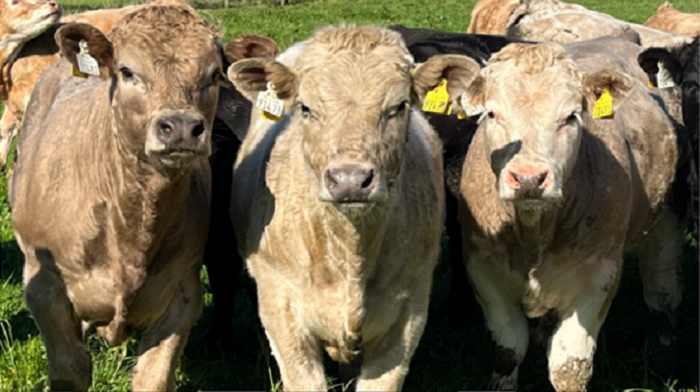
Weaning is a critical and often stressful phase in a suckler calf's development, but careful planning can significantly reduce its negative impact. Aisling Molloy, Future Beef Programme Advisor, emphasises that managing vaccination, feeding, and castration well ahead of weaning helps prevent compounded stress and supports calf growth.
Vaccination programmes, including two-shot clostridial and pneumonia vaccines, should commence up to six weeks before weaning to ensure calves develop adequate immunity. Working closely with a veterinary practitioner is vital, especially on farms with a history of respiratory issues. Additionally, calves and cows must be weighed on the same day before weaning to qualify for the Suckler Carbon Efficiency Programme payment. There is also financial support available through the National Beef Welfare Scheme, offering up to €75 per calf for meal feeding, vaccination, and forage or faecal egg count testing, with applications available on agfood.ie.
Introducing creep feed about four weeks before weaning helps calves adjust to dietary changes, targeting an intake of around 1kg per head daily pre-weaning. Castration should be managed separately from weaning, ideally at least four weeks prior or a couple of weeks after housing, to avoid additional stress. Compliance with legal castration methods and timing is mandatory. Gradual separation techniques, such as fence-line weaning and phased cow removal, alongside parasite control and planning for settled weather, further support calf welfare. Farmers are encouraged to attend the upcoming Future Beef Weaning Webinar on 9 September 2026 for detailed guidance from experts including Michael Biggins, Dr. Bernie Earley, and vet Conor Geraghty.
0 views