Farmers urged to act now amid fodder shortages
The National Fodder and Food Security Committee convened to address the persistent impact of the 2026 drought on grass growth and fodder supplies. Key discussions focused on immediate actions for farmers, regional disparities, and ongoing support measures across Ireland.
Source:
Teagasc Agricultural News
•
⏱️ 1 min read
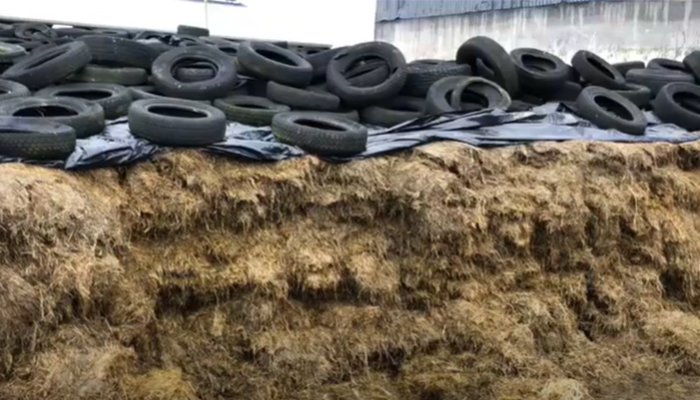
The National Fodder and Food Security Committee met on 7 September 2026 at Oak Park, Carlow, to evaluate the ongoing effects of the summer drought on grass production and fodder availability, and to plan support strategies for farmers through autumn and into the next spring.
Under the chairmanship of Mike Magan, the meeting featured an updated report from Teagasc detailing grass growth recovery following recent rainfall, although overall production remains below average. Data from PastureBase Ireland showed that farms have produced 412 kg DM/ha less than the five-year average, highlighting significant fodder deficits, especially in the South-east region where supplementary feeding remains high.
The committee strongly emphasised the urgent need for farmers to take proactive measures, including careful fertiliser application and fodder budgeting, to maximise feed production before winter. Teagasc's intensified advisory efforts, including webinars and clinics, aim to support farmers facing this challenge. The meeting also addressed logistical issues around fodder transport, financial supports, and the importance of mental health, encouraging farmers to seek help and collaborate to overcome difficulties. Chairman Mike Magan stressed the value of resilience and cooperation across the sector to navigate this difficult period effectively.
0 views