Farmers urged to tackle fodder shortages post-drought
A key committee convened in Carlow to address the ongoing effects of the 2026 drought on grass growth and fodder reserves. The meeting highlighted regional disparities and emphasised urgent action to support farmers heading into winter housing.
Source:
Teagasc Agricultural News
•
⏱️ 1 min read
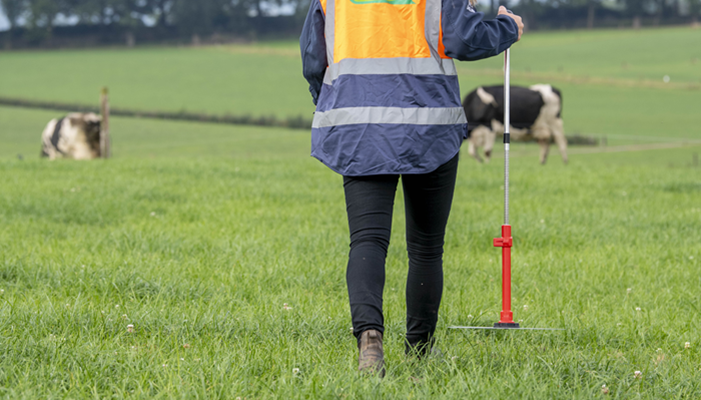
The National Fodder and Food Security Committee met in Oak Park, Carlow, on 7 September to evaluate the lasting impact of the 2026 drought on grass production and fodder availability. Chaired by Mike Magan, the committee reviewed updated Teagasc data and heard perspectives from farm organisations, industry representatives, advisors, financial institutions, and the Department of Agriculture, Food and the Marine.
Teagasc reported a notable recovery in grass growth following recent rainfall, yet cumulative production for the year remains below average. PastureBase Ireland figures reveal an average yield of 9,219 kg DM/ha to date, trailing behind five-year, ten-year, and 2025 averages. The South-East was identified as the region most affected, with farms there still reliant on substantial supplementary feeding.
Fodder budgets from 595 farms show an average of 4.3 months’ conserved feed available, with Leinster slightly below the national average and the Carlow-Kilkenny-Laois-Kildare area at the lowest point with four months. Supplementary feeds accounted for 44% of diets on nearly 1,815 farms, particularly in drought-stricken eastern and south-eastern counties. Farmers are advised to assess their fodder stocks carefully and maximise feed production as winter approaches. The detailed presentation from the meeting is accessible online.
0 views