Understanding the true cost of finishing cattle this winter
Teagasc specialist David Argue breaks down the economics of purchasing and finishing cattle in the latest Beef Edge podcast. He highlights key factors such as animal weight, daily weight gain, and feed costs that influence profitability for beef farmers this autumn.
Source:
Teagasc Agricultural News
•
⏱️ 1 min read
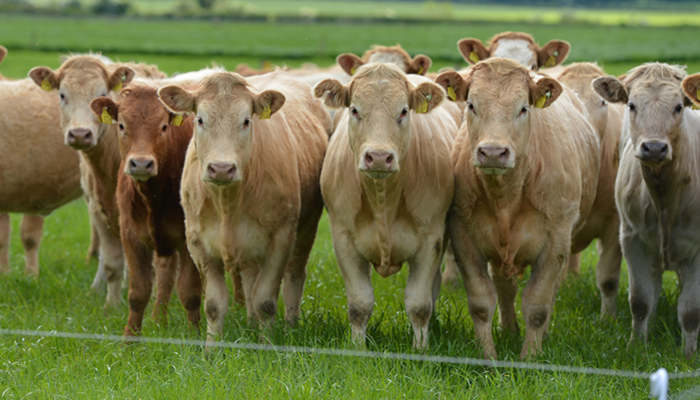
In the latest episode of the Beef Edge podcast, Teagasc Cattle Specialist David Argue explores the financial aspects of buying and finishing cattle amid high prices. He examines the current Teagasc beef finishing budgets, offering practical insights for farmers making critical decisions during the autumn purchasing period.
David discusses the economics of acquiring a 550kg bullock, emphasising how the weight of the animal affects cost-efficiency. Paying more for a heavier animal may reduce the cost per kilogram of beef produced, a key consideration for improving margins. He also highlights the impact of daily liveweight gain, explaining how increasing growth rates from 0.8kg to 1.2kg per day can significantly enhance overall profitability.
Feed costs represent a major portion of finishing expenses, making systems highly sensitive to fluctuations in concentrate and silage prices. Additionally, David presents a dedicated dairy-beef runner budget to guide dairy-beef farmers on affordable pricing for runners this season. Beyond purchase and feed outlays, he reminds farmers to factor in machinery, buildings, labour, and other fixed costs, noting that while Teagasc budgets offer national guidance, individual farm circumstances vary greatly.
0 views