Winter farm safety advice for Irish farmers
Vincent Ronayne from Teagasc Claremorris highlights crucial safety measures for farmers preparing for autumn and winter. His guidance covers machinery checks, slurry management, livestock handling, and weather-related risks to protect farms across Ireland during colder months.
Source:
Teagasc Agricultural News
•
⏱️ 2 min read
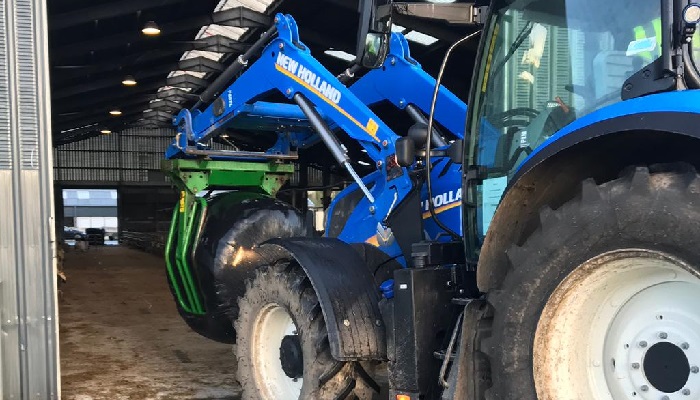
As autumn and winter approach, farmers face increased hazards due to shorter daylight hours, colder temperatures, and challenging ground conditions. Vincent Ronayne, Drystock Advisor with Teagasc Claremorris, stresses the importance of prioritising safety and thorough preparation for these demanding seasons.
Key areas of concern include machinery operation, where regular inspections of brakes, lights, tyres, and guards are essential before use. Only trained individuals should operate equipment, and extra caution is advised around moving parts such as PTO shafts. Slurry management remains a significant risk; farmers must avoid entering tanks, ensure good ventilation, use gas sensors, and keep children and animals away during agitation.
Livestock handling warrants vigilance as cattle can become unpredictable in winter, especially around calves. Maintaining secure gates and pens and avoiding unnecessary entry to enclosed areas reduces risk. Slippery surfaces from rain or frost, reduced visibility, and mud on public roads also pose dangers. Farmers are encouraged to keep walkways clear, ensure vehicle lights function properly, and promptly clean any farm debris from roads. Taking regular breaks, dressing suitably, and having an emergency plan with clear access and first-aid provisions are crucial steps for wellbeing and accident response. Reviewing and repairing farm infrastructure before severe weather arrives further enhances safety this season.
0 views