Simple test to check sheep wormer effectiveness
Irish sheep farmers face growing challenges from stomach worm resistance, risking lamb health and performance. A straightforward and affordable drench test recommended by Teagasc can reveal if worming treatments remain effective on individual farms.
Source:
Teagasc Agricultural News
•
⏱️ 1 min read
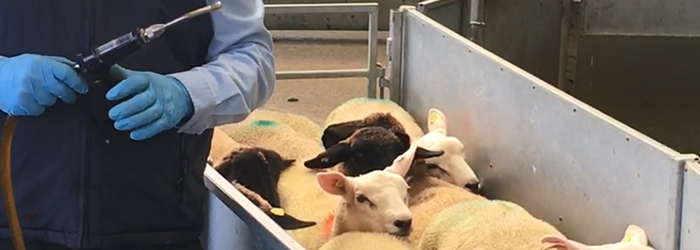
Sheep farming in Ireland continues to depend heavily on anthelmintic treatments to control stomach worms, which pose a significant threat to lamb growth and health. Damian Costello, a Teagasc Sheep Specialist, highlights the increasing issue of resistance among stomach worms to commonly used wormers, which diminishes their effectiveness and can lead to poor lamb performance or even fatalities.
To combat this growing problem, Costello advises farmers to implement a simple drench test on their flocks. This involves collecting faecal samples from lambs before treatment, administering the chosen wormer, and then taking a second sample after a designated period. Laboratory analysis of worm egg counts before and after treatment determines the product’s efficacy.
An effective wormer should achieve at least a 95% reduction in worm egg counts; anything less suggests resistance and calls for further investigation with veterinary guidance. Farmers are encouraged to use these tests regularly to avoid wasting resources and to adopt strategies that slow the development of resistance. Additional information and resources are available on the official Teagasc website.
0 views