Climate challenges reshape Ireland’s outdoor vegetable sector
The 2026 drought has starkly highlighted vulnerabilities in Ireland’s outdoor vegetable farming, particularly concerning water management and climate resilience. This report from Teagasc calls for coordinated action among growers, researchers, and policymakers to bolster infrastructure and adapt to shifting climate patterns.
Source:
Teagasc Agricultural News
•
⏱️ 1 min read
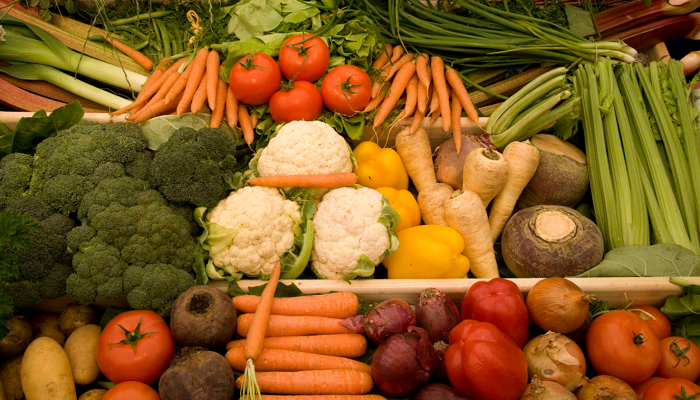
The Irish outdoor vegetable sector is confronting escalating risks and costs driven by climate change, with the severe 2026 drought underscoring urgent challenges in water management and crop resilience.
Teagasc’s recent publication, ‘The 2026 Drought and its Aftermath: Impact and Recovery in the Irish Outdoor Vegetable Sector,’ reviews the sector’s recent experiences amid a sequence of dry summers, including record temperatures in 2025 and drought years dating back to 2018. These events have exposed the limitations of existing irrigation infrastructure, which was designed for shorter dry spells and partial farm coverage, rather than the prolonged, widespread moisture deficits witnessed in 2026.
The report emphasises the need for a sector-specific strategy aligned with Ireland’s National Adaptation Framework (2024) and the Department of Agriculture, Food and the Marine’s Sectoral Adaptation Plan (2025). Key areas identified for development include enhanced data collection on water demand and availability, investment in water storage and irrigation infrastructure, improved soil health practices, collaborative catchment-level water management, and long-term genetic research into drought-resistant crop varieties. With neighbouring countries also experiencing severe drought impacts, the publication stresses that Ireland’s food security depends on proactive, coordinated adaptation to ensure sustainable production under evolving climatic conditions.
1 views