Protecting equine health through forage hygiene
Equine producers are urged to prioritise forage and bedding hygiene to safeguard animal health. Experts from Teagasc, Irish Equine Centre, and UCD highlight practical steps to prevent mould-related diseases affecting horses across Ireland.
Source:
Teagasc Agricultural News
•
⏱️ 2 min read
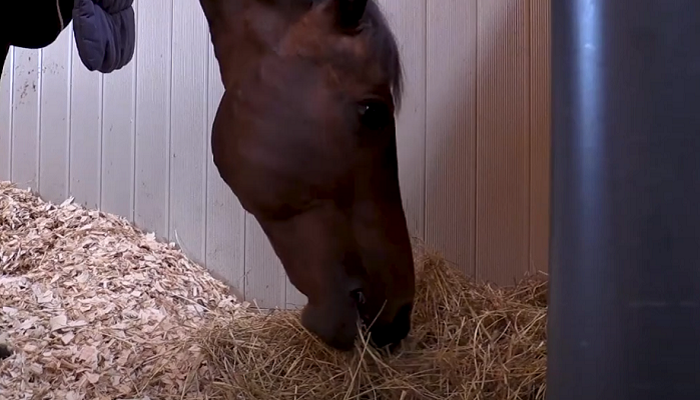
Equine producers have been reminded of the critical importance of evaluating forage and bedding quality, alongside maintaining appropriate storage conditions to protect horse health.
A video collaboration between Teagasc, the Irish Equine Centre, and University College Dublin features Associate Professor Richard Sheane of UCD’s School of Veterinary Medicine and equine specialist Vivienne Duggan, who emphasise that poor quality forage can harbour mould, fungi, dust, and toxins. These contaminants risk causing serious, performance-limiting, and potentially fatal illnesses affecting the lung, liver, gut, kidney, and brain.
Wendy Conlon, a Teagasc Equine Specialist, advises on sourcing and storing forages and bedding, stressing the necessity of analysis to detect mould presence and verify nutritive value. Alan Creighton, Head of Environment and Nutrition at the Irish Equine Centre, recommends testing hay every two months during storage and using haylage within three days of opening in summer and four days in winter. He also cautions against mixing fresh forage with mouldy material, advising the disposal of any forage or bedding showing mould or excessive dust to prevent contamination.
Richard Sheane shares practical insights from his experience producing and selling top-quality Irish Sport Horses at Cooley Farm, underscoring the value of maintaining high forage standards. For further details on equine health and forage management, producers are encouraged to consult the resources available on the official Teagasc website.
0 views