Protecting Irish water quality during winter sheep dipping
As farmers prepare for seasonal parasite control, maintaining rigorous environmental standards remains a critical priority. Safeguarding local aquatic ecosystems is essential, as chemical residues can cause significant, long-term damage to fragile river and stream biodiversity.
Source:
Teagasc Agricultural News
•
⏱️ 2 min read
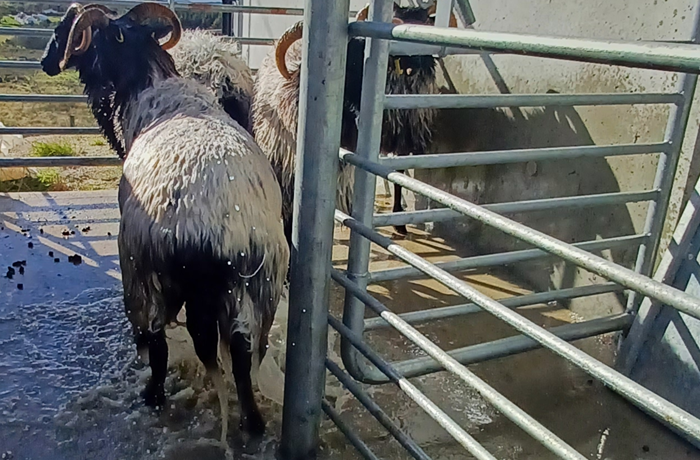
With the winter season approaching, numerous sheep farmers are currently planning their routine dipping programmes to manage ectoparasites like lice, keds, and scab. Shaun Roarty, an ASSAP advisor based in Ballybofey, Co. Donegal, has issued a timely reminder regarding the necessity of adhering to strict best practices to mitigate any accidental contamination of local water sources.
It is vital for producers to recognise that the chemical agents used to treat sheep are biologically similar to the insects that inhabit our waterways. When these potent substances enter a waterbody, they can devastate aquatic insect populations, which serve as a foundational element of the food chain for fish and other wildlife. Research indicates that active ingredients such as Cypermethrin are frequently detected in mountainous regions, often leading to a total collapse of beneficial insect communities in affected areas.
To ensure the health of our ecosystem and the safety of our drinking water, farmers must exercise extreme caution during the dipping process. Detailed guidance on the responsible application and disposal of veterinary medicines is available on the official Health Products Regulatory Authority website. By following these established protocols, the agricultural community can continue to effectively protect their livestock while honouring their commitment to environmental stewardship.
0 views