Optimising soil health for sustainable Irish agricultural production
Teagasc specialist Dr. Veronica Nyhan emphasises that achieving peak soil fertility requires precise nutrient management and regular testing. This approach ensures that farmers maximise productivity while safeguarding the environment through responsible application of organic and chemical fertilisers.
Source:
Teagasc Agricultural News
•
⏱️ 2 min read
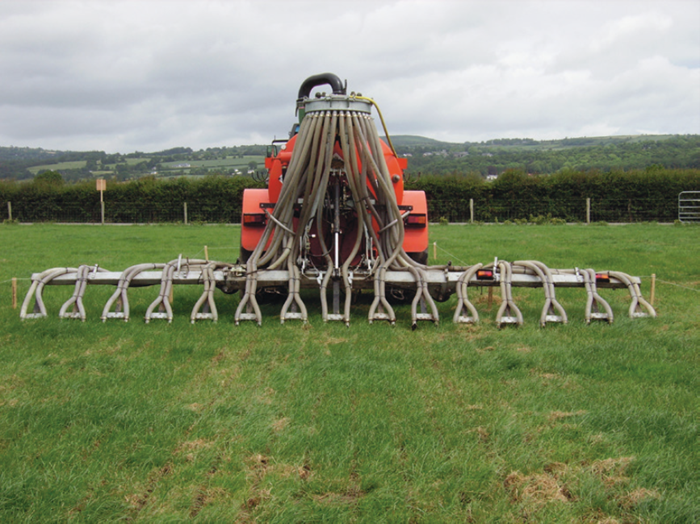
Maintaining robust soil fertility extends far beyond the simple application of fertiliser; it requires a sophisticated balance of nutrients and pH levels to support long-term crop production. Dr. Veronica Nyhan, a soil and nutrition specialist at Teagasc, stresses that understanding the unique productive capacity of different land types is essential. Because soils vary in drainage, acidity, and nutrient retention, management strategies must be tailored to the specific characteristics of the field to ensure optimal efficiency.
Regular soil testing serves as the cornerstone of this strategy, with experts recommending tests every two years for intensively managed land. By maintaining an ideal pH, farmers can enhance nutrient availability and support vital biological processes like nitrogen fixation. The implementation of the 4Rs—applying the right product, at the right rate, in the right place, and at the right time—is critical for reducing environmental losses and increasing overall nutrient use efficiency. Furthermore, organic manures should be utilised strategically to offset reliance on chemical inputs.
To further promote these practices, Teagasc recently hosted Soil Health Week, which concluded on 25 September. The initiative brought together the agricultural community, including researchers, students, and farmers, to highlight the importance of healthy soils for food security and environmental protection. Those interested in accessing resources or learning more about sustainable soil management practices can find comprehensive information available on the official Teagasc website.
0 views