O’Hanrahan brothers lead biodiversity in dairy beef farming
Peter and Thomas O’Hanrahan have demonstrated how biodiversity can thrive alongside productive dairy-beef farming. Their award-winning farm in Ireland combines habitat enhancement with advanced technology to support wildlife, water quality, and efficient livestock management.
Source:
Teagasc Agricultural News
•
⏱️ 1 min read
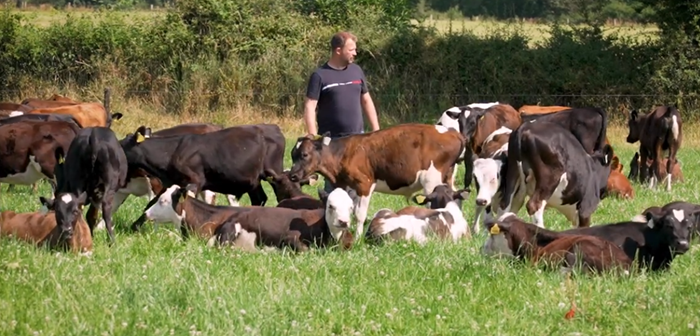
Peter and Thomas O’Hanrahan, winners of the Enhancing Biodiversity Category at the 2026 Teagasc FBD Environmental Sustainability Awards, exemplify how biodiversity and farm productivity can coexist. Their dairy-beef operation integrates diverse habitats such as hedgerows, tree groves, and riparian zones alongside a productive livestock enterprise, achieving a stocking rate of 2.43 LU/ha and a gross margin of €4,499 per hectare in 2025.
The brothers have strategically preserved and enhanced existing biodiversity features while creating new ones, including planting 500 metres of native hedgerow to improve habitat connectivity. Their careful hedge management supports wildlife and provides shelter for livestock, with coppicing used to promote denser, taller growth. Watercourse habitats are protected through riparian buffer zones and participation in agri-environment schemes, safeguarding water quality and biodiversity.
Embracing technology, Peter and Thomas utilise GPS-guided fertiliser application to enhance nutrient efficiency and minimise environmental impact. Wide grassy livestock tracks serve as wildlife corridors while facilitating cattle movement. Future plans include reducing slaughter age, expanding clover use, installing rainwater harvesting systems, and adding solar panels. Their commitment highlights how environmental stewardship and productive farming can successfully align.
0 views