New research explores processing Irish grass for human protein
Researchers are investigating the potential of transforming Irish grasslands into a sustainable source of dietary protein for human consumption. This innovative approach could offer significant environmental benefits while providing a viable alternative to traditional livestock production systems.
Source:
Teagasc Agricultural News
•
⏱️ 2 min read
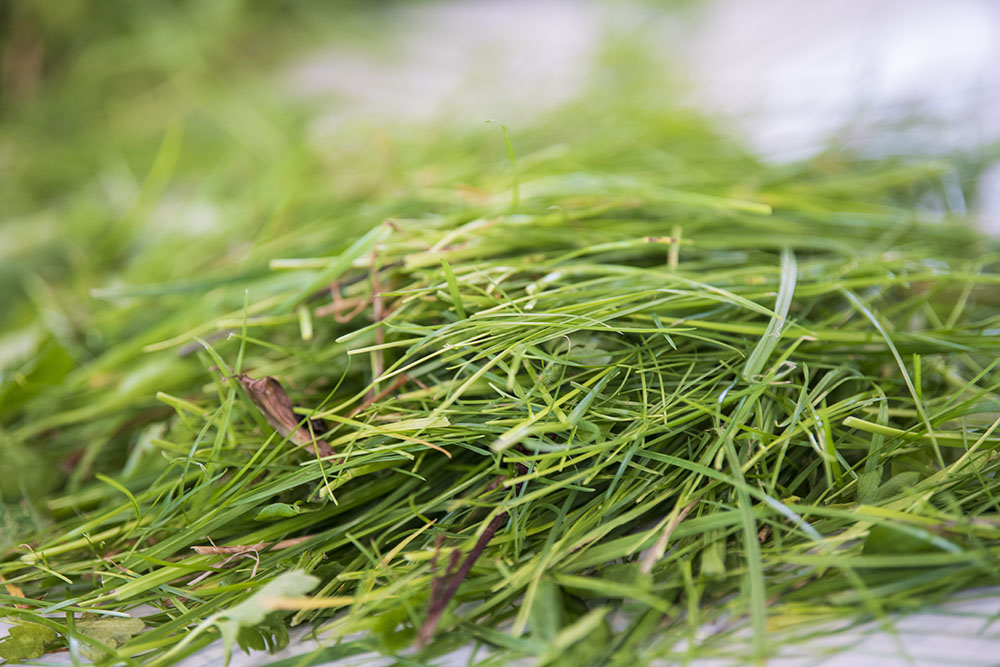
Recent research conducted at Teagasc Athenry has highlighted the potential for Ireland’s vast grasslands to serve as a sustainable source of human-grade protein. By processing perennial ryegrass and white clover through advanced maceration techniques, scientists believe it is possible to extract high-quality protein concentrates that could support national agricultural diversification goals. This transition could prove particularly beneficial for land that is currently unsuitable for traditional arable farming.
The environmental implications of this shift are substantial, as grass-based protein production generates significantly lower carbon emissions compared to conventional dairy and beef systems. While livestock farming remains a cornerstone of the Irish economy, the study indicates that grass-based protein could offer a competitive yield per hectare, especially when utilising nitrogen-fixing clover. However, the research team, including Marie Merlo and Cathal Buckley, notes that the amino acid profile of grass protein differs from animal-based products, with specific deficiencies in methionine and cysteine requiring further investigation.
For such a transition to gain traction among farmers, the economic returns must remain comparable to existing livestock margins. The U-Protein project, supported by the Department of Agriculture, Food and the Marine, continues to assess the feasibility of these systems. Further details regarding the project's findings and the nutritional analysis of grass-derived ingredients are available on the official Teagasc website for those interested in the future of Irish food security.
0 views