Optimising potassium application strategies for winter cereal crops
Agricultural experts highlight the vital role of potassium in supporting cereal crop strength and stress tolerance during the autumn season. Farmers are advised to tailor nutrient applications based on specific soil types and testing results rather than relying on traditional methods.
Source:
Teagasc Agricultural News
•
⏱️ 2 min read
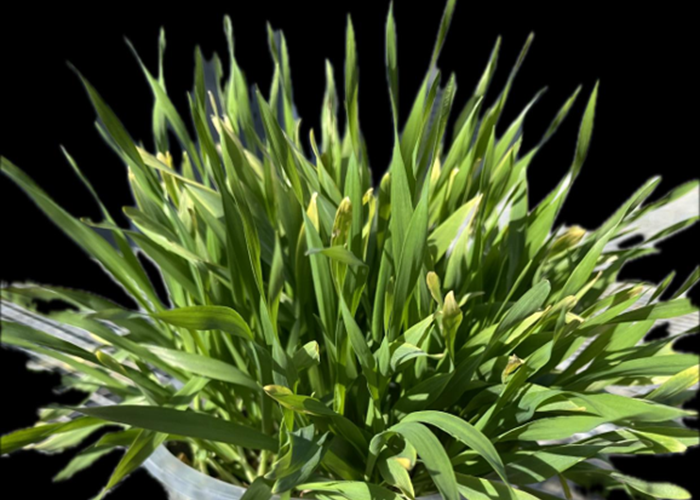
Potassium often receives less attention than nitrogen within farm management circles, yet cereal crops maintain a substantial requirement for the nutrient. According to Teagasc soil and plant nutrition specialist Dr Veronica Nyhan, potassium plays a critical role in water regulation, overall crop strength, and stress tolerance, while also helping to prevent lodging and brackling in developing plants.
Traditionally, large potassium dressings have been applied to tillage soils during the autumn months, but specialists suggest that this blanket approach warrants a closer review. Soil testing serves as the essential starting point, with the target for mineral tillage soils set at Index 3 to guarantee adequate supply. Furthermore, straw management significantly impacts nutrient removal rates, as a ten-tonne winter wheat crop removes considerably more potassium when straw is hauled away compared to when it is chopped and incorporated back into the soil.
Soil type also dictates how effectively land holds and releases nutrients, with lighter, sandy soils facing a higher risk of leaching if excessive reserves are applied. Consequently, experts recommend splitting applications on soils with low indices—applying roughly 30% in autumn and the remaining 70% in spring—to align with peak crop demand. Growers seeking further guidance on nutrient management can find comprehensive resources available on the official Teagasc website.
0 views