Managing late-cut silage to boost winter feed stocks
Farms have seen a notable increase in fodder reserves thanks to silage harvested from mid-September onwards. Dr Joe Patton highlights the favourable conditions that supported this and offers guidance on optimising feeding strategies for the colder months ahead.
Source:
Teagasc Agricultural News
•
⏱️ 1 min read
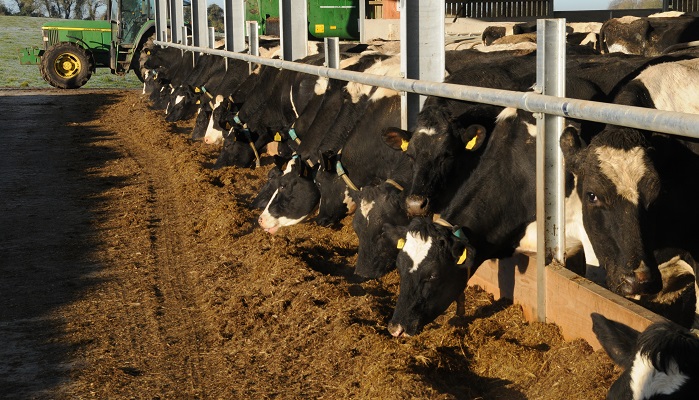
Silage harvested from mid-September played a crucial role in enhancing winter feed supplies on many farms this year. Dr Joe Patton, Head of Dairy Knowledge Transfer at Teagasc, explains that autumn 2026 delivered exceptional pasture growth, with daily rates surpassing long-term averages by 10 to 20 percent over several weeks.
This robust grass growth translated into a markedly improved winter feed outlook compared to projections made in late August. Currently, only around 5% of farms face significant feed shortages, while another 6% require careful rationing to manage their stocks effectively.
Late-harvested silage contributed substantially to the increased fodder reserves. Despite challenges linked to shorter daylight hours, the generally favourable weather conditions facilitated relatively smooth harvesting operations. Dr Patton advises farmers to carefully manage the feeding of this silage to ensure optimal utilisation during winter.
Key points for managing late-cut silage feeding include:
Monitoring silage quality given the variable conditions at harvest
Adjusting feed rations to balance nutrient supply
Implementing effective storage and feed-out practices to minimise losses
For detailed advice and support, farmers are encouraged to consult resources available on the official Teagasc website.
This robust grass growth translated into a markedly improved winter feed outlook compared to projections made in late August. Currently, only around 5% of farms face significant feed shortages, while another 6% require careful rationing to manage their stocks effectively.
Late-harvested silage contributed substantially to the increased fodder reserves. Despite challenges linked to shorter daylight hours, the generally favourable weather conditions facilitated relatively smooth harvesting operations. Dr Patton advises farmers to carefully manage the feeding of this silage to ensure optimal utilisation during winter.
Key points for managing late-cut silage feeding include:
For detailed advice and support, farmers are encouraged to consult resources available on the official Teagasc website.
0 views