Key targets for daily weight gains in beef finishing
Achieving specific daily liveweight gains is vital for profitability in beef finishing systems, says Teagasc specialist David Argue. He emphasises the importance of regular cattle weighing to meet targets outlined in the 2026 Teagasc Beef Budgets, helping farmers manage costs and optimise returns.
Source:
Teagasc Agricultural News
•
⏱️ 2 min read
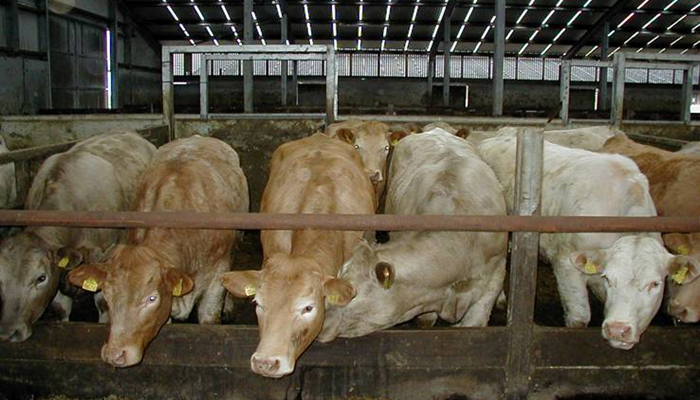
Achieving target daily liveweight gains is essential to the success and profitability of beef finishing operations, according to Teagasc Cattle Specialist David Argue. Speaking on the Teagasc Beef Edge podcast hosted by Catherine Egan, Argue highlighted the critical role of frequent weighing to ensure cattle are on track with their growth targets.
The Teagasc Beef Budgets 2026 are based on cattle reaching specific daily liveweight gains, and falling short can substantially increase costs throughout the finishing period. Argue explained that insufficient gains can delay finishing schedules, leading to higher expenses for feed and silage, and potentially missing out on favourable beef prices if market trends decline.
He detailed the target daily gains for various cattle categories: weanlings housed indoors should gain 0.6kg per head per day; cattle returning to pasture should achieve between 0.9kg and 1kg per day. Finishing cattle targets vary with breed and sex, with continental steers expected to reach 1.3kg/day, continental heifers 1.2kg/day, dairy-beef steers 1.2kg/day, dairy-beef heifers 1.0kg/day, and young bulls between 1.5kg and 1.6kg/day. Argue stressed that a 0.4kg/day reduction over 100 days could leave continental bullocks 40kg lighter, translating to a loss of about €150 per animal at current prices.
Farmers are encouraged to monitor cattle weights diligently to avoid these financial setbacks. The full Teagasc Beef Budgets are available online, offering detailed financial guidance for beef finishing systems over the coming 18 months.
0 views