Autumn soil testing key to boosting farm productivity
Teagasc advisor John Enda Flannelly emphasises the importance of soil sampling in autumn for optimising nutrient management and fertiliser use. This vital practice supports sustainable farming and compliance with nitrate regulations across Irish farms.
Source:
Teagasc Agricultural News
•
⏱️ 2 min read
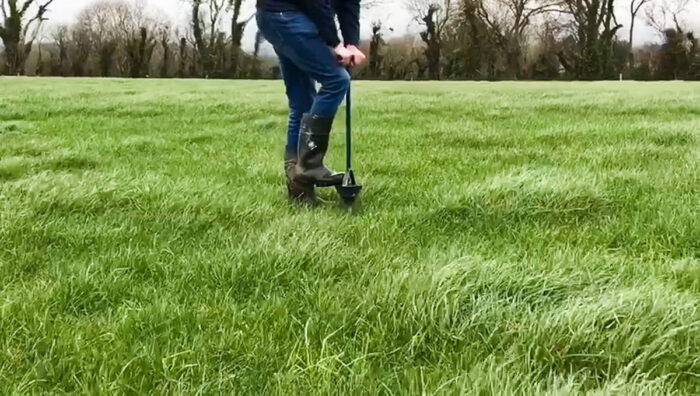
John Enda Flannelly, Drystock Advisor at Teagasc Claremorris, highlights that autumn is an ideal period for farmers to evaluate soil fertility and prepare for the coming year. Conducting soil tests enables farmers to enhance grass and crop yields, reduce unnecessary fertiliser expenditure, and base nutrient management decisions on precise, current data.
To obtain accurate results, farmers should sample each field separately, considering different soil types or management histories. Using a clean soil auger, 20 to 25 cores should be taken in a W-shaped pattern at a consistent 10cm depth, avoiding gateways, headlands, dung patches, waterlogged areas, and recently treated spots. Sampling should be done only after enough time has elapsed since fertiliser, manure, or lime application, and not during waterlogged conditions.
Soil analysis provides crucial information on pH levels and key nutrients such as phosphorus and potassium. Maintaining optimal pH through liming improves nutrient availability, while identifying nutrient deficiencies allows for targeted fertiliser application. This approach not only enhances farm productivity but also supports environmental sustainability by minimising nutrient losses to waterways. Furthermore, valid soil test results are essential for compliance with Ireland’s nitrate regulations and various agri-environment schemes, with tests remaining valid for four years. Farmers yet to sample their soil within this timeframe are encouraged to do so promptly.
0 views