Farmers adapt to improve cattle growth amid drought aftermath
Denis Hickey shares detailed updates on calf and steer performance following a challenging dry spell. His strategic approach in County Cork focuses on optimising weight gains and grazing to enhance farm productivity as winter approaches.
Source:
Teagasc Agricultural News
•
⏱️ 2 min read
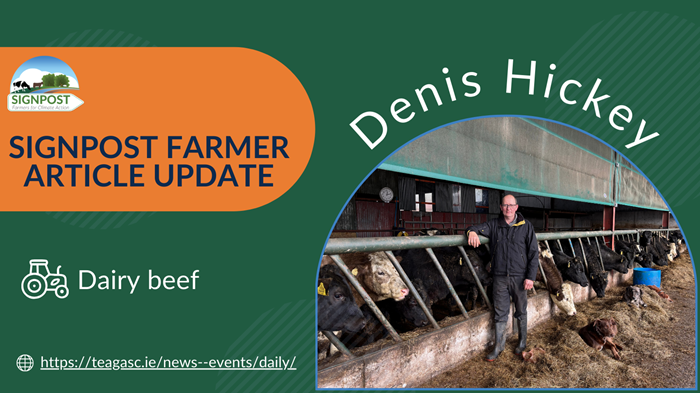
Denis Hickey recently conducted weight assessments on his calves and steers to evaluate their growth and inform future management decisions. On 9 September, 102 calves were weighed, averaging 216kg, showing an encouraging gain of 36kg since their previous weigh-in, with an average daily liveweight increase of 1.2kg. Despite the drought, this progress was aided by supplementary concentrates. Attention remains on lighter calves to ensure consistent development as winter nears.
The 30 steers at grass were also weighed in September, averaging 497kg, which reflected a 44kg increase since mid-June. However, the average daily gain of 0.47kg was below expectations, likely due to a diet of silage alone, suggesting a need for additional fodder. Weight disparities between lighter and heavier steers are guiding individualised management, with plans to finish the heaviest and potentially sell the lighter cattle depending on market conditions.
At the end of September, Hickey sent five heifers to slaughter at Kepak in Watergrasshill, Co. Cork, with carcass weights averaging 299kg and fat scores ranging from 2+ to 4−. These results help refine finishing strategies for remaining stock. Notably, finishing ages have improved, with heifers sent for slaughter younger than in previous years, reducing feed costs and emissions. Recent rainfall has revitalised grass growth, allowing continued grazing and preparation for winter, though challenges remain in fully grazing paddocks before the colder months. Hickey plans to focus on effective grazing and closing up around 12 to 13 acres weekly to optimise pasture management.
This update is part of the Teagasc DairyBeef 500 Programme, supported by advisor Gordon Peppard, and reflects ongoing efforts to enhance farm efficiency and sustainability amid changing environmental conditions.
0 views