Galway farmer wins top Teagasc sustainability award
A Galway farmer has been honoured for exceptional environmental stewardship in the Teagasc/FBD awards. The recognition highlights innovative farming practices that balance productivity with sustainability.
Source:
Teagasc Agricultural News
•
⏱️ 2 min read
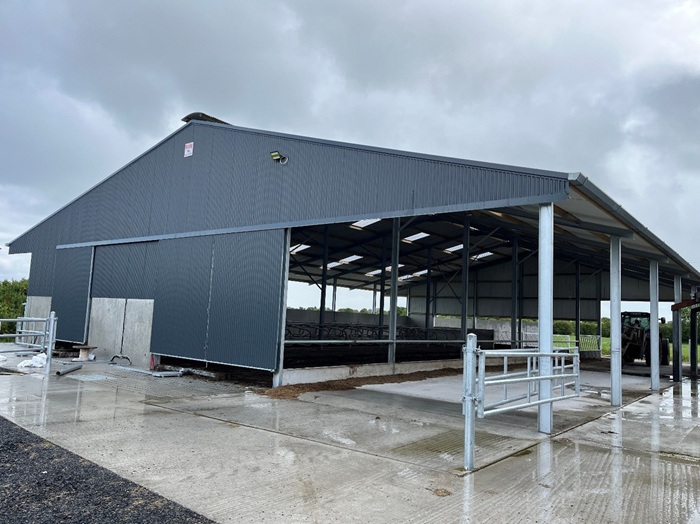
Galway-based farmer William Dennehy has been named the outright winner of the Teagasc/FBD Environmental Sustainability Awards 2026, a prestigious accolade that celebrates farming practices harmonising productivity with environmental responsibility. The announcement took place at a ceremony in Dublin, where Dennehy’s innovative approach to nutrient management and farm infrastructure was commended by industry leaders and peers alike.
The awards programme, now in its fifth year, attracted record participation in 2026, reflecting a growing commitment among Irish farmers to sustainable agriculture. Dennehy’s success underscores the critical role of the Teagasc/FBD partnership in recognising and promoting excellence in environmental stewardship across the sector. His winning project demonstrated measurable improvements in efficiency, animal welfare, and compliance with stringent nitrate regulations.
Speaking at the event, John Galvin, Specialist Schemes Advisor with Teagasc Galway/Clare, emphasised the transformative impact of well-planned farm investments. "The best TAMS projects don’t just add infrastructure—they revitalise the entire farm operation," he noted. "From safer handling facilities to reduced labour demands, these investments create long-term value while supporting environmental goals."
The awards programme operates under the 2023–2027 Common Agricultural Policy (CAP) framework, with TAMS 3 emerging as a cornerstone of farm modernisation. Since its launch, TAMS 3 has attracted over 73,500 applications, with 54,432 approvals issued and €190.1 million in payments disbursed by mid-September 2026. The scheme offers tiered grant rates, ranging from 40% to 70%, supporting investments in animal welfare, slurry storage, solar energy, and precision farming technologies.
Galvin outlined the rigorous application process, which requires farmers to identify farm-specific bottlenecks before selecting the appropriate scheme. "Success begins with meticulous planning," he explained. "From securing planning permissions to obtaining competitive quotes, every detail matters. The grant is a tool to support a sound plan—not to fund poor decisions."
Future-focused, the Department of Agriculture is now seeking submissions on potential supports for climate-resilient infrastructure, digital technologies, and nutrient management. While these initiatives remain under consideration, the core message remains unchanged: invest in what your farm genuinely needs, build it properly, and let sustainability guide every decision.
Further details on the awards and TAMS 3 are available on the official Teagasc website.
0 views