Essential autumn management advice for Irish sheep farmers
Teagasc experts have outlined critical procedures for flock maintenance as the breeding season commences and winter approaches. The guidance emphasises the importance of parasite control, vaccination against Bluetongue, and responsible dipping practices to protect local water quality.
Source:
Teagasc Agricultural News
•
⏱️ 2 min read
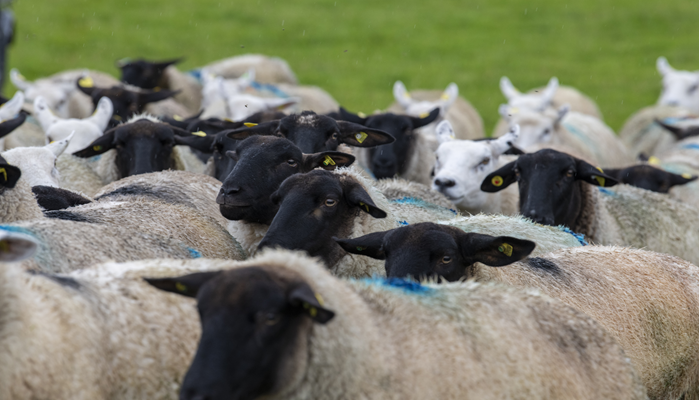
As October progresses, grass growth is beginning to decline, necessitating a strategic approach to lamb finishing and fodder management. Farmers are encouraged to draft lambs regularly and weigh the financial benefits of mart sales versus factory slaughter. It is vital to ensure that concentrate supplementation is utilised effectively, while simultaneously addressing animal health issues such as lameness and internal parasites to maintain optimal performance throughout the winter months.
Flock productivity for the coming year relies heavily on the body condition score of ewes at mating. Producers should prioritise the use of raddle to monitor breeding activity, rotating colours every fortnight to track fertility. Furthermore, with cases of Bluetongue virus identified in Ireland, vaccination remains a critical priority. The vaccine is safe for pregnant ewes and provides essential protection against both infertility and potential mortality within the national flock.
Plunge dipping continues to be the most effective method for controlling external parasites, though it must be conducted with extreme caution to prevent environmental contamination of waterbodies. Organic farmers facing product shortages are advised to explore alternative treatments like pour-ons or injectables. Those participating in the Sheep Welfare Scheme who cannot complete their dipping requirements must notify the Department of Agriculture, Food and the Marine regarding any changes to their chosen actions to ensure compliance.
0 views