Autumn herbicides key to beating grass weeds in cereals
Tillage farmers are urged to prioritise pre-emergence herbicides this autumn to tackle stubborn grass weeds in winter wheat and barley. Research shows early control reduces competition and resistance risks, with best results on well-prepared seedbeds.
Source:
Teagasc Agricultural News
•
⏱️ 2 min read
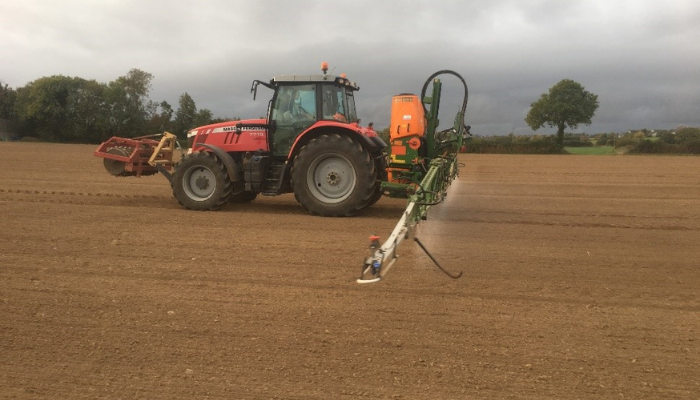
Grass weeds are tightening their grip on tillage farms, prompting a renewed focus on autumn weed control strategies. Teagasc Crops Specialist Ciaran Collins highlights why pre-emergence herbicides now sit at the heart of effective management programmes for winter wheat and barley crops. The shift reflects growing concerns over herbicide resistance and the need to curb early competition from persistent grass species before they establish a foothold.
Pre-emergence treatments offer the most reliable window to suppress grass weeds, particularly in winter barley where post-emergence options are limited. Farmers are advised to integrate these applications into their drilling programmes, targeting fields with a history of infestation or where later-season access may prove difficult. Residual herbicides perform best on fine, firm seedbeds with adequate moisture, while dry conditions or cloddy ground can severely compromise their effectiveness.
Key considerations include applying treatments within 24–48 hours of sowing, ensuring full seed coverage with at least 2–3 cm of soil, and avoiding applications ahead of heavy rainfall. Temporary crop effects such as leaf whitening may occur, especially on overlaps or headlands, but these symptoms typically fade as conditions improve. Available products include prosulfocarb-based options like Defy, pendimethalin-based treatments such as Stomp, and combination solutions like Tower or Mateno Duo. Farmers should also note that flufenacet-containing products must be used by 10 December 2026 or face legal restrictions.
0 views