Women farmers lead call for fairer rural innovation policies
A landmark study reveals stark gender gaps in Irish farming, with women receiving just 15% of CAP payments despite making up 31% of recipients. Groundbreaking policy briefs, launched during the UN’s Year of the Woman Farmer, spotlight nine urgent reforms to empower female-led rural innovation.
Source:
Teagasc Agricultural News
•
⏱️ 2 min read
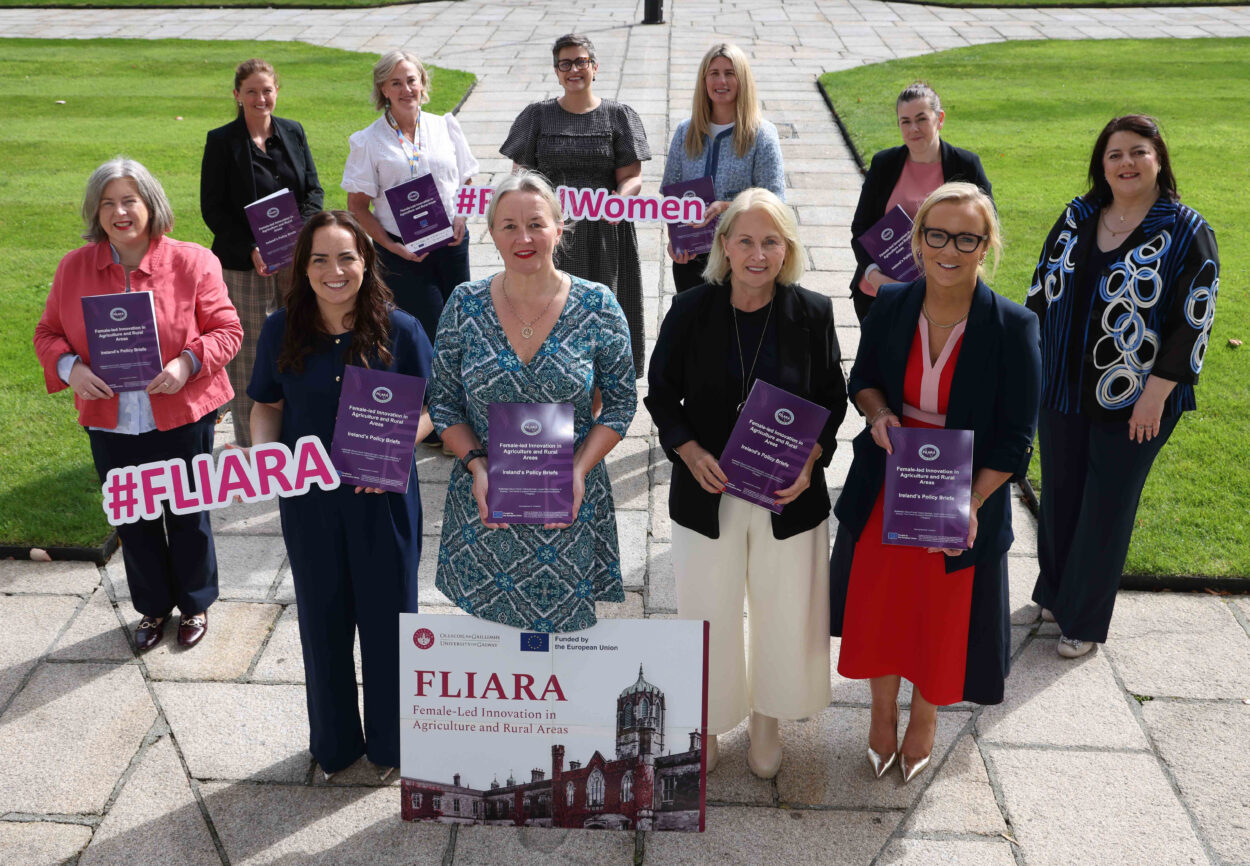
A groundbreaking three-year study by University of Galway, Longford Women’s Link and Teagasc has delivered a powerful set of policy recommendations aimed at dismantling systemic barriers for women leading innovation in Irish farming and rural communities. The findings, presented in nine detailed policy briefs as part of the EU-funded FLIARA project, emerged from extensive engagement with female farmers, rural entrepreneurs and agricultural stakeholders across the country. The research underscores the urgent need for structural change to create a more equitable and dynamic future for Ireland’s agrifood sector.
The policy briefs address critical areas including finance, digital skills, gender inclusion and generational renewal, reflecting the lived experiences of women navigating a sector where persistent inequalities remain entrenched. Shockingly, official figures reveal that women account for 31% of Common Agricultural Policy (CAP) beneficiaries but receive only 15% of total payments, while their male counterparts—who make up 63% of recipients—receive 69%. The income disparity is equally stark: female-run farms earned an average of €18,700 per worker in 2023, a staggering 42% less than male-run farms, with the gap widening that year. These disparities highlight the urgent need for targeted interventions to level the playing field.
The launch of the policy briefs coincides with the United Nations International Year of the Woman Farmer, a global initiative recognising the indispensable contributions of women to agrifood systems worldwide. Maria Walsh, Fine Gael MEP for Midlands North-West and the European Parliament’s lead negotiator on generational renewal in farming, emphasised the importance of evidence-based action. "These briefs put women’s experience and innovation at the centre of the conversation," she stated, "and provide policymakers with the tools to act, not just acknowledge the problem." The briefs will be shared with key government departments, local action groups and farming organisations to drive meaningful policy reform. The full report and policy recommendations are available on Ireland’s FLIARA Policy Briefs page.
Media queries can be directed to [email protected].
0 views