Seaweed by-products show promise in pig feed
Researchers have explored the use of seaweed processing residues as sustainable ingredients in pig diets without compromising growth or health. This innovative approach, studied in Ireland and across Europe, aims to reduce waste and enhance circular bioeconomy principles in livestock production.
Source:
Teagasc Agricultural News
•
⏱️ 2 min read
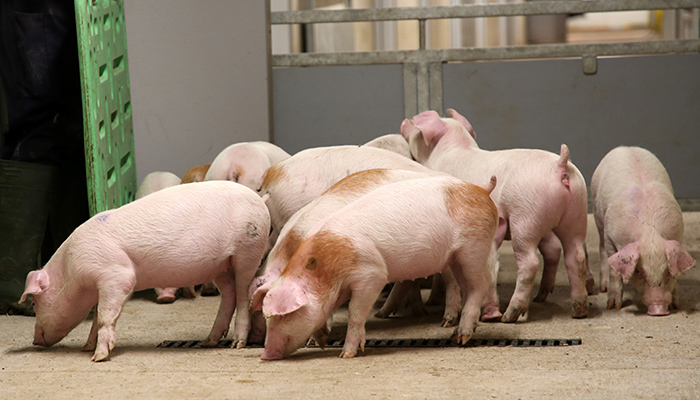
Improving sustainability in pig farming while safeguarding animal health remains a significant challenge for the livestock industry. As part of the Horizon Europe project CIRCALGAE, researchers at Teagasc’s Pig Development Department examined whether by-products from seaweed processing could serve as alternative, eco-friendly feed ingredients for pigs.
After extracting valuable compounds such as agar and phycocyanin, a substantial residue from seaweed remains. Instead of discarding this as waste, the CIRCALGAE initiative investigated processing these residues into feed ingredients suitable for pig diets, aligning with circular bioeconomy principles by minimising waste and creating high-value resources.
The research particularly targeted the post-weaning stage, a critical phase when piglets are prone to digestive issues and decreased feed intake. Four revalorised seaweed-derived ingredients were tested across feeding trials to assess their impact on growth, intestinal health, blood parameters, and gut microbiota. Findings indicated that including these ingredients at 1 to 5% substitution levels maintained pig health and growth, with some enhancing feed efficiency and positively influencing gut structure and microbial balance. Led by Professor Peadar Lawlor and involving Dr Clara Negrini, Joe Glynn, Dr Linda Giblin, and Professor Gillian Gardiner, the project is now finalising data analysis to support the development of sustainable marine-based pig feed. The CIRCALGAE project received funding from the European Union’s Horizon Europe Research and Innovation Programme (Grant Agreement No. 101081329).
0 views