Ireland's bioeconomy roadmap aims for climate neutrality
A groundbreaking study outlines how Ireland can reach climate neutrality by 2050 through transforming agriculture, forestry and land use. This approach boosts protein and renewable energy output while reducing emissions, offering resilience against future environmental and economic challenges.
Source:
Teagasc Agricultural News
•
⏱️ 1 min read
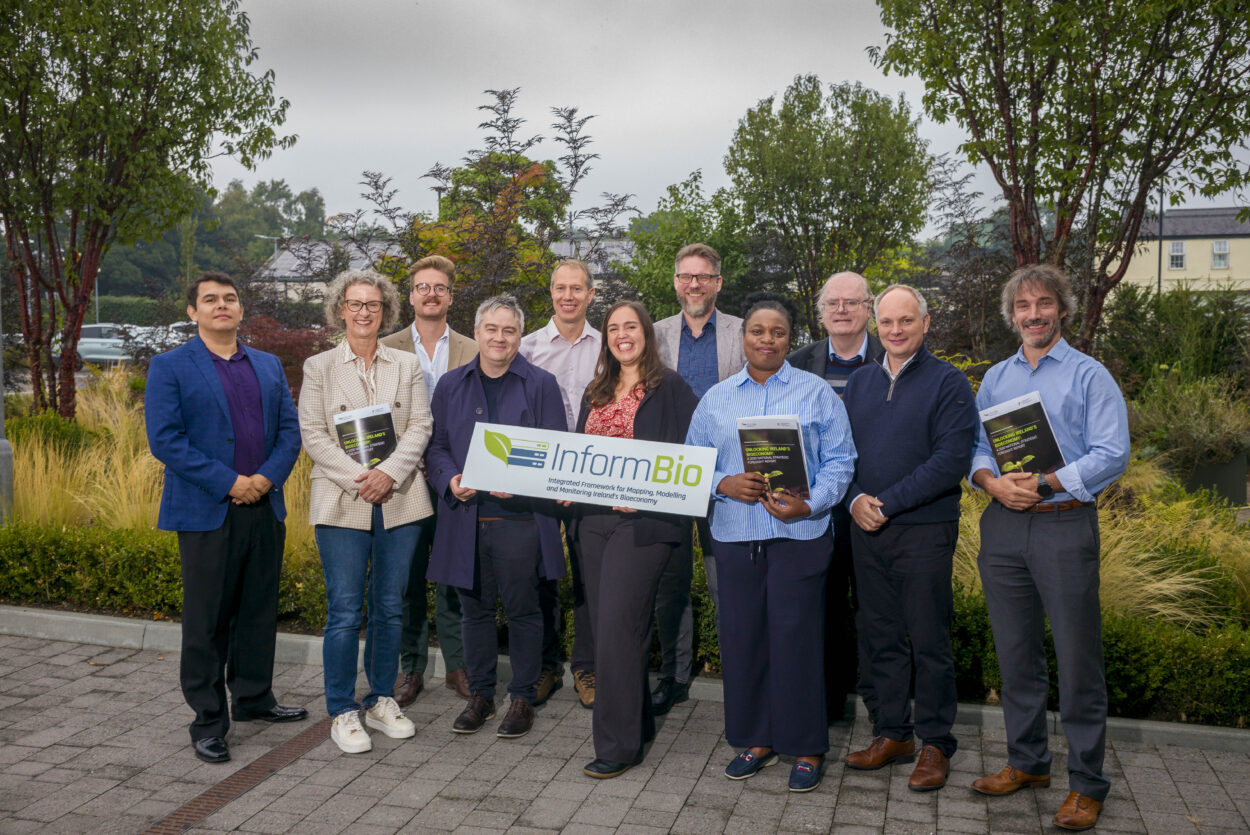
A comprehensive new report from the InformBio research project demonstrates how Ireland can achieve climate neutrality by 2050 by adopting a bioeconomy-focused pathway in agriculture, forestry and land use. This approach contrasts sharply with a business-as-usual scenario, which projects net emissions from these sectors to rise to nearly 30 million tonnes of CO₂ equivalent by mid-century.
The bioeconomy strategy involves increased afforestation, peatland restoration, expanded protein crop cultivation, grass biorefineries, biomethane production and novel biomass applications. These measures would not only neutralise emissions but also increase total protein output by 47%, driven by enhanced milk, crop and grass-derived protein, while domestic bioenergy production could increase nearly fivefold.
Experts highlight that this transition offers greater resilience to climate, market and economic shocks compared to continuing current practices. The InformBio consortium, led by Munster Technological University with partners University of Galway, Teagasc and the Central Statistics Office, has also developed a Bioeconomy Monitoring Framework. This tool tracks progress across environmental, social and economic indicators, supporting evidence-based policymaking and investment decisions crucial for Ireland's sustainable future.
0 views