Rising energy demand threatens Ireland’s climate goals
Ireland’s energy consumption has surged to its highest level since 2008, placing strain on the nation’s climate ambitions despite record-low emissions. The latest SEAI report reveals a growing gap between renewable energy progress and increasing fossil fuel reliance.
Source:
SEAI News & Media
•
⏱️ 2 min read
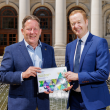
The Sustainable Energy Authority of Ireland (SEAI) has released its annual Energy in Ireland report, presenting comprehensive data for 2025 alongside preliminary figures for the first half of 2026. The findings reveal a complex energy landscape: while emissions related to energy use have fallen to their lowest point in three decades, overall energy consumption has risen to its highest since 2008.
In 2025, Ireland’s energy-related emissions declined by 3.6%, with an estimated 5% reduction in the first half of 2026 compared to the same period in 2025. These emissions are currently 35% below their 2005 peak, largely due to reduced emissions from electricity generation. This progress has been supported by increased deployment of renewable technologies such as heat pumps, wind power, solar photovoltaic systems, and biodiesel blending.
Despite this progress, renewable energy accounted for just 17.3% of Ireland’s total energy supply in 2025, falling short of the 27.6% target set for that year and ranking Ireland among the EU’s lowest performers. Rising energy demand, particularly from transport and commercial sectors—including significant growth in electricity consumption from data centres—means dependence on fossil fuels and energy imports remains substantial. Projections indicate that without accelerated efforts, Ireland faces widening gaps in meeting its legally binding climate and energy targets by 2030, with fossil fuels potentially supplying half of the country’s energy needs beyond 2040.
1 views