Strengthening Irish farms against future dry spells
Irish farms have faced significant challenges due to extended warm and dry weather, impacting grass growth and water supply. Expert advice highlights key strategies to enhance resilience, ensuring sustainability amid changing climatic conditions across the country.
Source:
Teagasc Agricultural News
•
⏱️ 2 min read
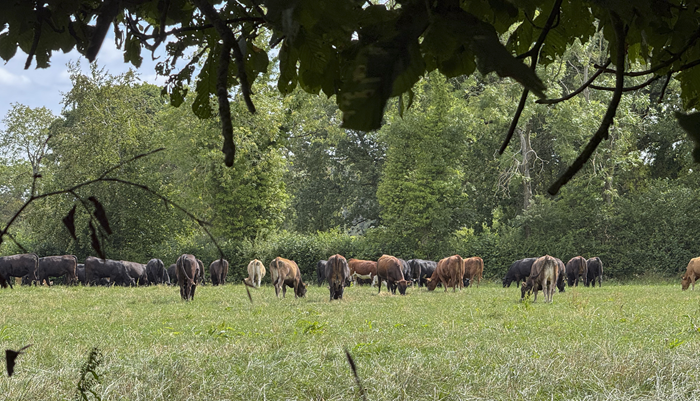
A recent spell of warm, dry weather has posed considerable difficulties for Irish farmers, affecting grass growth, water availability, and outdoor feeding routines. Teagasc's Head of Advisory Services, Tom Curran, shared insights on RTÉ’s Behind the Story podcast with host Aengus Cox, emphasising the need for farmers to prioritise measures that bolster their farming systems against similar future conditions.
From a crop standpoint, the dry conditions have eased harvesting but brought variability in yields. Curran indicated that upcoming research may focus on crops and soil types better suited to warmer summers, with winter crops as a possible option despite challenges linked to wet autumns and winters. Regarding livestock, he noted the recent slowdown in grass growth due to moisture shortages but expressed hope that autumn rains could improve pasture recovery.
To future-proof farms, Curran advised concentrating on summer feeding plans, water management, slurry and fertiliser application, and aligning stocking rates with the land’s grass-growing capacity. He stressed the importance of an annual fodder budget incorporating a buffer for summer feeding needs. Addressing water shortages, he urged farmers to evaluate well and pump capacities alongside pipe and trough sizes to prepare for prolonged dry spells. Curran also discouraged moving towards indoor housing systems, highlighting the value of Ireland’s grass-based livestock model as a competitive advantage internationally. Instead, he recommended adjusting stock numbers to match grass growth rather than relying heavily on costly imported feed, advocating balanced fertiliser use to enhance nutrient efficiency and protect the environment.
0 views