Preparing rams for a successful breeding season
Teagasc advisor Enda Maloney outlines essential steps for farmers to ready rams ahead of mating. These measures, including health checks and genetic selection, aim to boost flock productivity across Irish sheep farms.
Source:
Teagasc Agricultural News
•
⏱️ 1 min read
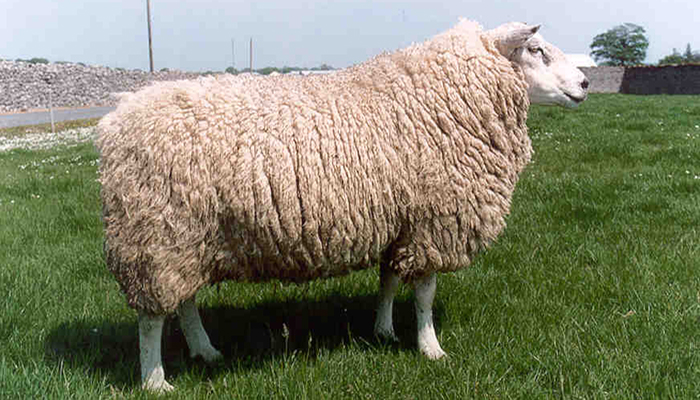
Enda Maloney, a Teagasc advisor, emphasises the critical role rams play in flock productivity, noting that their fertility, health, and genetics significantly influence lambing success. Preparing rams six to eight weeks before breeding is a vital investment to enhance flock outcomes.
Maintaining an optimal Body Condition Score (BCS) of 3.5 to 4 is recommended for mature rams prior to mating, as they can lose up to 15% of their weight during the six-week breeding season. Early nutritional support and stress avoidance are crucial since sperm production requires around seven weeks to recover. Additionally, thorough health checks should cover feet, legs, teeth, eyes, and reproductive organs to detect issues such as lameness or dental problems that could impair ram performance.
Genetics also play a growing role in sheep profitability. Farmers are encouraged to select rams using Sheep Ireland’s €uroStar indexes, aiming for high Replacement or Terminal Index ratings depending on flock goals. Genotyped rams improve breeding accuracy and are required for the Sheep Improvement Scheme. During mating, monitoring rams with raddle harnesses helps track served ewes and identify any fertility concerns. Proper management ensures stronger lambing rates and sustained flock performance for years ahead.
0 views