How barley quality shapes Ireland’s brewing tradition
Gemma Merrins from Teagasc Oak Park explains the meticulous process behind malting barley for brewing. This detailed journey from harvest through malting to brewing ensures the distinctive taste and consistency of Irish beer.
Source:
Teagasc Agricultural News
•
⏱️ 1 min read
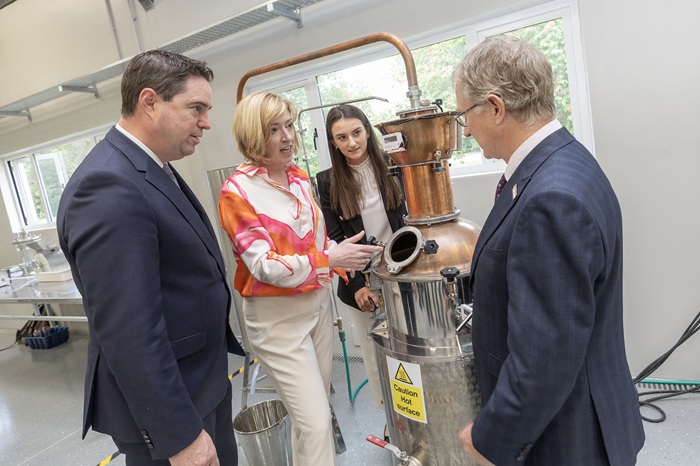
Barley is a cornerstone ingredient in Irish brewing, and its journey from field to glass involves a series of carefully controlled steps to guarantee quality and flavour. Gemma Merrins, a Laboratory Technician at Teagasc Oak Park’s National Centre for Brewing and Distilling, outlines the malting process that transforms harvested barley into malt fit for brewing.
The process begins with harvesting barley in late summer, which is then dried and stored until after Christmas to prepare for germination. Malting involves steeping the barley in water, allowing it to absorb moisture, followed by germination where enzymes develop to convert starch into sugars. This stage requires regular turning and temperature control to ensure even development. The germinated barley, or "green malt," is then kilned—dried and gently heated—to halt germination and preserve enzymes while influencing malt colour and flavour.
Spring barley varieties, typically sown in early spring and harvested in August, are preferred for malting due to their consistent kernel quality and protein levels. Throughout the malting and brewing stages, stringent quality checks are maintained to ensure the barley's potential is fully realised, resulting in the consistent, flavourful beers enjoyed across Ireland.
0 views