New slurry storage rules for Irish dairy farms
From October 2028, dairy farms in Ireland will face stricter slurry and soiled water storage requirements. These changes, outlined by Teagasc advisor Brian Walsh, aim to improve nutrient management and require careful farm-specific planning.
Source:
Teagasc Agricultural News
•
⏱️ 2 min read
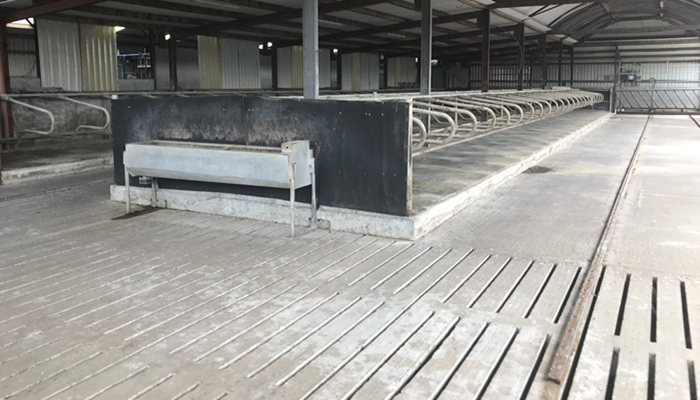
From 1 October 2028, Irish dairy farms will be required to meet higher minimum storage capacities for slurry and soiled water. Brian Walsh, a B&T Dairy Advisor with Teagasc in Claremorris, explains that slurry storage must increase from 0.33 cubic metres per cow per week to 0.40 cubic metres, while soiled water allowances rise from 0.21 to 0.30 cubic metres per cow per week. Additionally, soiled water calculations will be based on a 15-day storage period across all farms.
To put this into perspective, a 120-cow dairy herd currently allows for 39.6 cubic metres of slurry weekly, which will increase to 48 cubic metres, an extra 8.4 cubic metres per week. Soiled water volumes will also grow from 25.2 to 36 cubic metres weekly. However, the precise soiled water requirement varies depending on factors such as the milking period, making it essential to calculate storage needs individually rather than applying a uniform figure. For example, spring-calving herds differ significantly from those milking year-round.
Farmers should also be aware of the impact of dairy washings on storage calculations. Parlour and bulk tank washings must be collected and stored, and if directed into slurry tanks, they increase slurry volumes requiring appropriate management in storage and spreading. For those needing to expand nutrient storage capacity, the Targeted Agricultural Modernisation Scheme (TAMS 3) offers support options to consider.
1 views