Autumn strategies to boost spring grass growth
Expert advice highlights the crucial role of autumn grazing management in ensuring ample grass for ewes come spring lambing. These practices, shared by Dr Philip Creighton from Teagasc in Galway, focus on optimising grass availability through timely paddock closure and feeding strategies.
Source:
Teagasc Agricultural News
•
⏱️ 2 min read
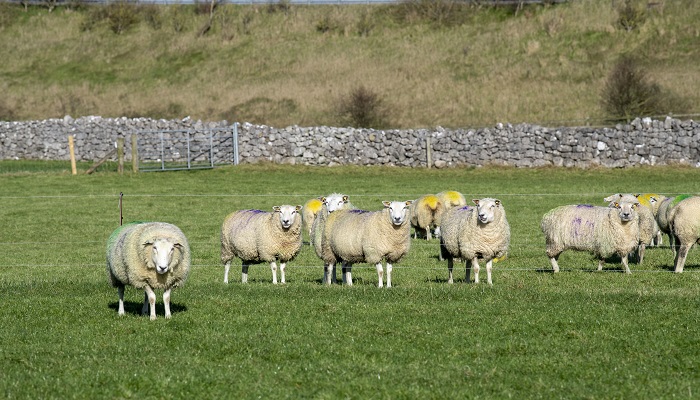
Autumn marks the beginning of the grassland year, with management choices during this period directly impacting grass quality and availability for the following spring. Dr Philip Creighton of Teagasc’s Animal & Grassland Research and Innovation Centre in Athenry, Co. Galway, emphasises the importance of closing paddocks from mid to late October to build grass cover while growth remains active, as grass production slows significantly in December and January.
For farms without winter housing, ewes can be managed on extended grazing systems utilising grass accumulated earlier in autumn, with daily or alternate-day allocation. Alternatively, wintering on forage crops, out-wintering, or feeding hay, silage, and concentrates outdoors is effective, provided sheep are confined to less than 20% of the farm area. This approach allows the majority of the land to regenerate grass supplies for spring.
Re-grazing closed paddocks during December or January is discouraged, as grass is far more valuable in spring when ewes require higher nutrition for lactation and lamb rearing. Dr Creighton advises closing the first paddocks nearest the lambing area and shelter, using electric fencing to control grazing and achieve a tight post-grazing sward height of about 4cm. Maintaining low residual grass over winter prevents dead material build-up, which can impair spring growth and quality. A detailed autumn closing planner is available on the official Teagasc website to help farmers prepare for early March lambing flocks with a 120-day winter rest period.
0 views