Global wheat research initiative marks fifteen years of progress
The Wheat Initiative is celebrating a decade and a half of fostering international scientific cooperation to bolster global food security. This collaborative framework connects hundreds of researchers worldwide to address critical challenges facing modern wheat production.
Source:
Teagasc Agricultural News
•
⏱️ 2 min read
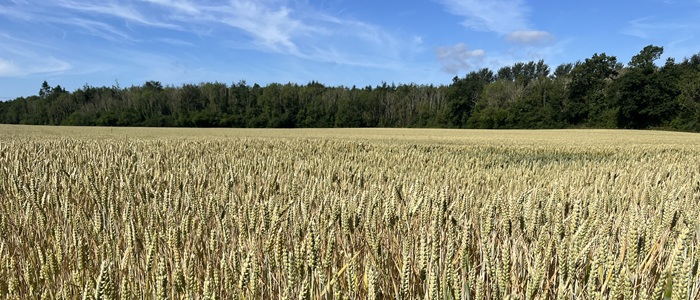
The Wheat Initiative, originally founded in 2011 as the International Research Initiative for Wheat Improvement, recently marked its fifteenth anniversary. Established to address urgent concerns regarding food price volatility and global food security, the organisation has successfully created a robust international network that unites scientists, funding bodies, and policymakers to streamline research efforts across borders.
At the core of this success are eleven Expert Working Groups, which include participants from 57 countries. These groups focus on specialised scientific topics, facilitating knowledge exchange and capacity building through sustained international partnerships. Furthermore, the initiative has pioneered essential digital infrastructure, including the Wheat Information System, which improves data discovery and standardisation for researchers globally. Strategic Research Agendas, first published in 2015, continue to guide international priorities, with a third version currently in development to address evolving climate and production demands.
John Spink, Chair of the Wheat Initiative Board and Head of the Teagasc Crops, Environment and Land Use Programme, emphasised the significance of these efforts. He noted that wheat provides approximately 20% of global calories and protein, making international coordination vital. As the organisation looks to the future, it remains committed to supporting collaborative programmes like the International Wheat Genome Sequencing Consortium, ensuring the scientific community is well-equipped to tackle the complex sustainability challenges ahead.
At the core of this success are eleven Expert Working Groups, which include participants from 57 countries. These groups focus on specialised scientific topics, facilitating knowledge exchange and capacity building through sustained international partnerships. Furthermore, the initiative has pioneered essential digital infrastructure, including the Wheat Information System, which improves data discovery and standardisation for researchers globally. Strategic Research Agendas, first published in 2015, continue to guide international priorities, with a third version currently in development to address evolving climate and production demands.
John Spink, Chair of the Wheat Initiative Board and Head of the Teagasc Crops, Environment and Land Use Programme, emphasised the significance of these efforts. He noted that wheat provides approximately 20% of global calories and protein, making international coordination vital. As the organisation looks to the future, it remains committed to supporting collaborative programmes like the International Wheat Genome Sequencing Consortium, ensuring the scientific community is well-equipped to tackle the complex sustainability challenges ahead.