science
Climate Science
Dr. Bridget Lynch presents findings on water quality messaging
Research officer Dr. Bridget Lynch recently detailed strategies to enhance public understanding of water quality science. Her recommendations follow an extensive study across Scandinavia, aimed at bridging the gap between complex environmental data and agricultural stakeholders.
Source:
Teagasc Agricultural News
•
⏱️ 2 min read
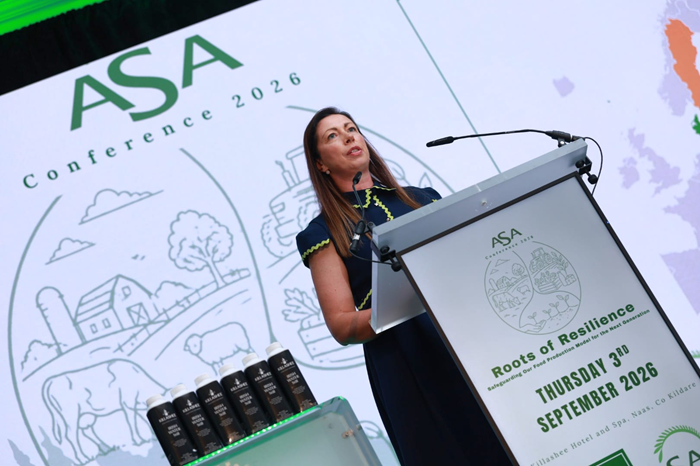
Dr. Bridget Lynch, a research officer with the Agricultural Catchments Programme, recently shared the findings of her 2025 ASA Fellowship at the annual Agricultural Science Association conference. Her research, which involved qualitative study and travel across Denmark and Sweden, focused on identifying the most effective methods for communicating complex water quality data to a diverse range of stakeholders.
During her presentation, Dr. Lynch acknowledged that while Irish water quality science is underpinned by robust research, the actual communication of this information faces significant hurdles. She identified the dense nature of regulatory jargon, complex subterranean processes, and the tendency to present findings in isolation—rather than alongside economic or environmental metrics—as primary barriers. Furthermore, she noted that the current scientific output is often too technical for farmers, advisors, and the general public to process effectively.
To address these challenges, Dr. Lynch advocated for the increased use of dedicated science communicators and more media-trained researchers. She emphasised the success of peer-to-peer initiatives like farm walks and storytelling, suggesting that these should be scaled using a multi-platform approach. Her full report and presentation slides are available for review on the official Agricultural Science Association website, providing a roadmap for better engagement with schools, the wider public, and harder-to-reach farming demographics.
During her presentation, Dr. Lynch acknowledged that while Irish water quality science is underpinned by robust research, the actual communication of this information faces significant hurdles. She identified the dense nature of regulatory jargon, complex subterranean processes, and the tendency to present findings in isolation—rather than alongside economic or environmental metrics—as primary barriers. Furthermore, she noted that the current scientific output is often too technical for farmers, advisors, and the general public to process effectively.
To address these challenges, Dr. Lynch advocated for the increased use of dedicated science communicators and more media-trained researchers. She emphasised the success of peer-to-peer initiatives like farm walks and storytelling, suggesting that these should be scaled using a multi-platform approach. Her full report and presentation slides are available for review on the official Agricultural Science Association website, providing a roadmap for better engagement with schools, the wider public, and harder-to-reach farming demographics.