Ireland’s hedgerows: living links to the past
Hedgerows, a quintessential feature of the Irish countryside, embody centuries of history and folklore beyond their agricultural purpose. As National Hedgerow Week 2026 highlights, these natural boundaries are vital for biodiversity and cultural heritage, yet face ongoing threats from removal.
Source:
Teagasc Agricultural News
•
⏱️ 2 min read
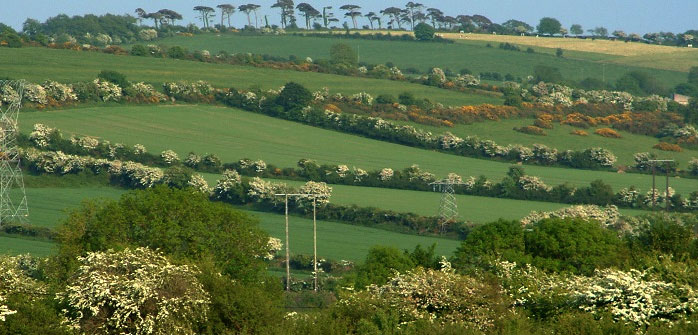
As National Hedgerow Week 2026 unfolds, it offers a timely reminder of the deep heritage woven into Ireland’s iconic hedgerows. These native hedgerows, which line almost every rural road and field, create the patchwork quilt landscape so familiar to Irish eyes. Unlike much of mainland Europe, Ireland and Britain cherish these thorny boundaries, rich with stories from the Táin to fairy bushes, and with roots reaching back to Gaelic Ireland before English colonisation.
Most hedgerows were planted between 1750 and 1850, following laws enacted to enclose common lands, though older hedgerows dating from ancient Gaelic times still survive atop ancient banks and raths. The whitethorn, hazel, holly, and crab apple that populate these hedges carry symbolic meanings from marriage and wisdom to protection and love, reflecting their sacred place in Irish folklore. Today, hedgerows continue to serve practical agricultural purposes and remain an essential part of Ireland’s natural and cultural landscape.
Despite their importance, the Environment Protection Agency estimates that approximately 1,400km of hedgerows are lost annually, threatening biodiversity, climate resilience, and historical identity. Organisations such as Teagasc, the Heritage Council, Hedgerows Ireland, and the National Biodiversity Data Centre work tirelessly to protect these living boundaries. National Hedgerow Week plays a crucial role in raising awareness and celebrating the irreplaceable value of Ireland’s hedgerows for future generations.
0 views