Hedgerows: vital habitats for birds and insects
Hedgerows serve as crucial sanctuaries supporting a vast array of birds and insects across Ireland’s countryside. This National Hedgerow Week highlights their role in sustaining biodiversity, connecting habitats, and enriching our natural environment throughout the seasons.
Source:
Teagasc Agricultural News
•
⏱️ 2 min read
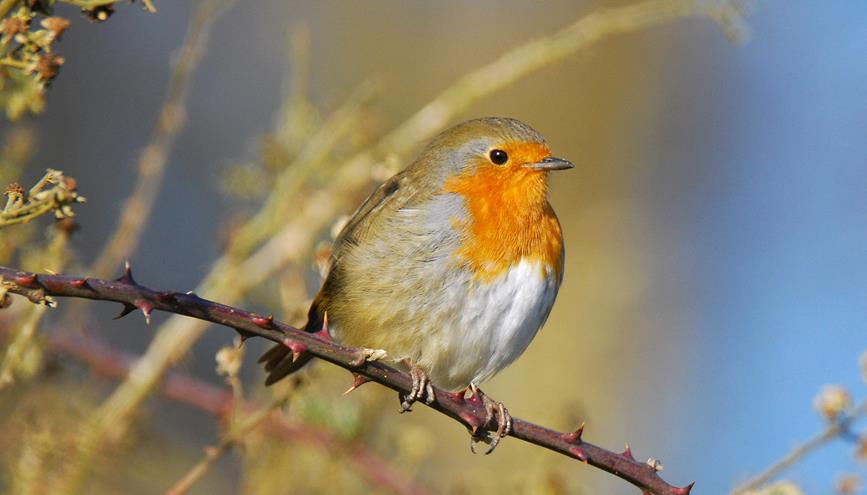
Hedgerows are far more than simple boundaries marking fields or roadsides; they act as vibrant corridors teeming with wildlife activity. Approximately half of Ireland’s commonly observed countryside bird species rely on hedgerows, with 35 species choosing them as nesting sites. Birds such as robins, wrens, blackbirds, and yellowhammers find shelter among the dense branches, where insects provide vital nourishment for their chicks. Later in the year, berries from hawthorn, blackthorn, holly, and bramble offer essential sustenance when insect numbers dwindle.
Beyond birds, hedgerows are alive with insect activity that often goes unnoticed. In spring, their flowers provide some of the first nectar and pollen for bees, butterflies, and hoverflies. Throughout summer, thousands of insects inhabit these green spaces, aiding pollination of crops and wild plants while naturally managing pest populations. Furthermore, hedgerows function as green corridors linking woodlands, rivers, wetlands, and grasslands, facilitating the movement of birds, insects, and small mammals. With the expansion of agriculture and housing developments leading to habitat loss, preserving these natural networks is increasingly vital.
Enhancing hedgerows for wildlife requires only simple measures: allowing flowering and fruiting, leaving unsprayed grassy margins, and retaining occasional mature trees all boost their ecological value. Rotational cutting rather than annual trimming promotes diverse ages and structures within hedges, encouraging greater floral and fruit production. From spring blossoms nurturing pollinators to autumn berries feeding birds, hedgerows deliver year-round benefits and stand as some of the countryside’s richest habitats. National Hedgerow Week 2026, a collaboration between the Heritage Council and Teagasc, celebrates the importance of these living lifelines.
0 views