Hedgerows vital for wildlife connectivity in autumn
Hedgerows act as essential corridors allowing birds, pollinators, and small animals to move safely across landscapes. During National Hedgerow Week 2026, experts highlight their crucial role in maintaining biodiversity and preventing habitat fragmentation in Ireland's countryside.
Source:
Teagasc Agricultural News
•
⏱️ 1 min read
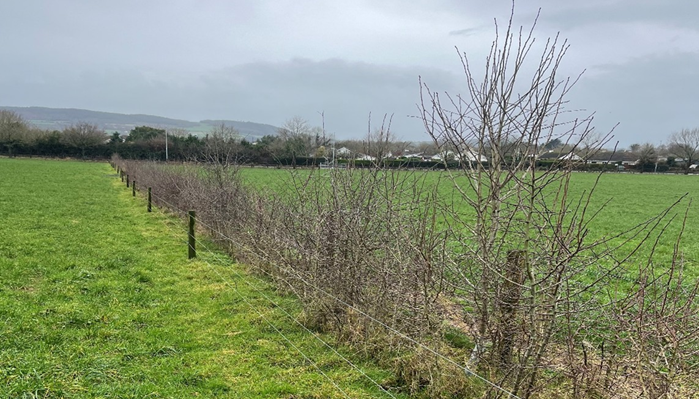
Coinciding with National Hedgerow Week 2026, a collaboration between the Heritage Council and Teagasc has emphasised the significant ecological role hedgerows play as wildlife corridors. These natural boundaries enable the movement of various species, connecting habitats such as woodlands, lakes, and grasslands, which is vital for sustaining biodiversity.
Hedgerows, including the grasses, wildflowers, and plants growing in their verges, provide safe passage for birds, pollinators like bees, and small mammals. For instance, bats rely on hedgerows for navigation between roosting and feeding sites, using them as sheltered routes that reduce exposure to predators and harsh weather conditions. Similarly, bees benefit from the protection and food sources these corridors offer.
However, fragmentation caused by large gaps in hedgerows—often due to modern farming practices requiring bigger access points—can hinder animal movement and threaten species survival by isolating populations. To counteract this, efforts to protect and restore these corridors include replanting gaps, laying existing hedgerows, and expanding networks to connect with other habitats. Enhancing these connections is crucial for maintaining genetic diversity and supporting resilient wildlife populations across Ireland's rural landscape.
0 views