science
Agricultural Science
Rat's tail fescue control strategies updated for Irish farms
Teagasc researcher Vijaya Bhaskar has outlined revised, evidence-based approaches to managing the increasingly problematic rat’s tail fescue in non-inversion tillage systems. With winter cereal harvest now fully complete across Ireland, growers are advised to adopt stale seedbed techniques and precise herbicide timing to suppress this herbicide-tolerant grass weed effectively.
Source:
Teagasc Agricultural News
•
⏱️ 2 min read
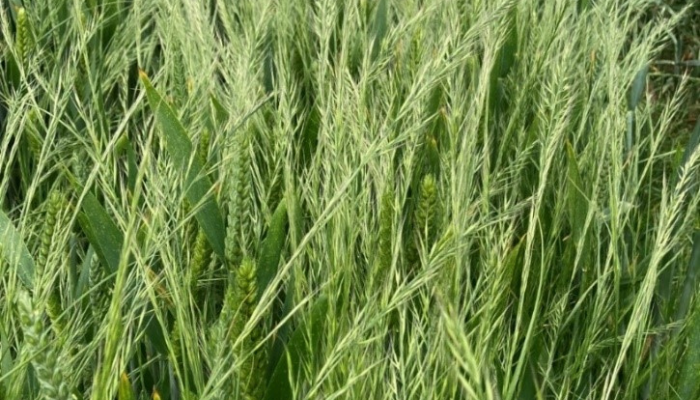
Teagasc researcher Vijaya Bhaskar has issued updated guidance on tackling rat’s tail fescue—a resilient grass weed now posing growing challenges in non-inversion crop establishment systems across Ireland. Unlike many grass weeds, rat’s tail fescue shows natural tolerance to certain post-emergence herbicides, making timely and targeted intervention essential to prevent establishment and spread.
Effective control hinges on precise growth-stage timing and herbicide rates. Glyphosate applied at the 2–4 leaf stage often fails, even at maximum label rates; instead, targeting larger, tillering plants with a dense canopy at 1440 g/ha—the current recommended rate for annual and perennial grass weeds in stubble or pre-sowing applications—delivers significantly improved suppression. Pre-emergence residual herbicides also proved highly effective when applied at sowing or the 1-leaf stage, though efficacy declined sharply at the 2–4 leaf and early tillering stages. Among tested products, Tower—containing multiple active ingredients—provided consistently strong control across all timings.
With winter cereal harvest now fully complete, growers are encouraged to use stale seedbeds to stimulate rat’s tail fescue emergence before drilling, followed by glyphosate application once plants reach the optimal growth stage. A dual approach—combining pre-sowing glyphosate with a pre-emergence herbicide applied 24–48 hours after drilling—offers the highest likelihood of successful control. Supplementary measures such as spring cropping, delayed autumn drilling, and deep ploughing remain valuable where infestations are already well established. Full product details, application guidelines, and trial data are available on the official Teagasc website.
Effective control hinges on precise growth-stage timing and herbicide rates. Glyphosate applied at the 2–4 leaf stage often fails, even at maximum label rates; instead, targeting larger, tillering plants with a dense canopy at 1440 g/ha—the current recommended rate for annual and perennial grass weeds in stubble or pre-sowing applications—delivers significantly improved suppression. Pre-emergence residual herbicides also proved highly effective when applied at sowing or the 1-leaf stage, though efficacy declined sharply at the 2–4 leaf and early tillering stages. Among tested products, Tower—containing multiple active ingredients—provided consistently strong control across all timings.
With winter cereal harvest now fully complete, growers are encouraged to use stale seedbeds to stimulate rat’s tail fescue emergence before drilling, followed by glyphosate application once plants reach the optimal growth stage. A dual approach—combining pre-sowing glyphosate with a pre-emergence herbicide applied 24–48 hours after drilling—offers the highest likelihood of successful control. Supplementary measures such as spring cropping, delayed autumn drilling, and deep ploughing remain valuable where infestations are already well established. Full product details, application guidelines, and trial data are available on the official Teagasc website.