Irish researchers track long lasting clubroot threat
A Teagasc and Maynooth University project is investigating a soilborne disease that can devastate oilseed rape and vegetable crops. Scientists want samples from affected fields to map strains and develop better ways to manage infection.
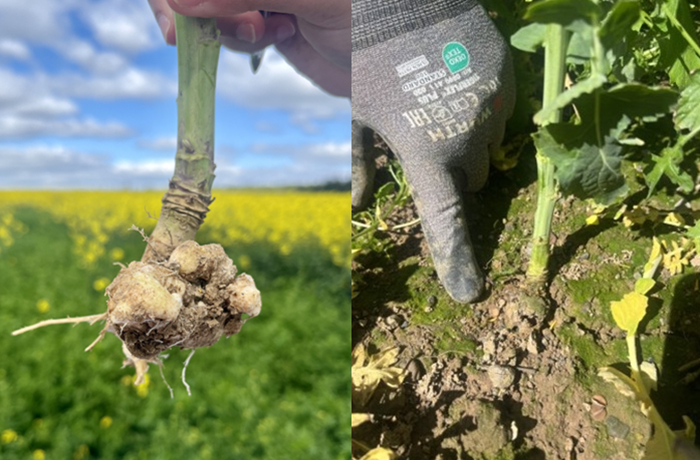
A disease whose spores can survive in soil for more than 20 years is the focus of a Teagasc and Maynooth University project seeking to protect Irish Brassica crops.
Clubroot, caused by the pathogen Plasmodiophora brassicae, affects oilseed rape and vegetable Brassicas. Chemicals from growing roots trigger dormant spores, which travel through wet soil and infect root hairs. The pathogen alters plant hormones, causing swollen roots that later rot and release fresh spores. Infected plants often grow poorly or die.
Global losses are estimated at 10–15% of Brassica production. Teagasc researcher Dr Marta Niedzicka says reports of increased incidence in Ireland underline the need for integrated pest management.
The SAFE project, funded by the Department of Agriculture, Food and the Marine, aims to establish how widespread clubroot is and which strains are present. Researchers hope to develop and validate early tests for soil and crops, assess resistant varieties and explore bait crops that could reduce spore levels.
Initial samples have come from oilseed rape and forage crops, but the team needs material from a wider range of crops and locations. Growers who have seen clubroot, including in recent years, can volunteer their fields for sampling by emailing [email protected].