Test silage now to boost cattle performance
Farmers are urged to test their silage promptly to prevent poor cattle performance during the winter housing period. Expert advice from Teagasc highlights how early analysis can optimise winter feeding strategies and improve livestock outcomes.
As the winter housing season starts, farmers are advised to avoid underwhelming cattle performance by conducting silage testing without delay. Aisling Claffey, Ruminant Nutritionist at Teagasc, emphasised on the Beef Edge podcast that silage analysis is the only reliable way to assess if forage meets cattle nutritional needs this winter.
Importance of silage testing
Claffey explained that without testing, farmers risk relying on hindsight after animal performance declines, potentially wasting valuable time and resources. By completing silage analysis early, producers can tailor winter diets for different stock classes more effectively.
How to sample silage correctly
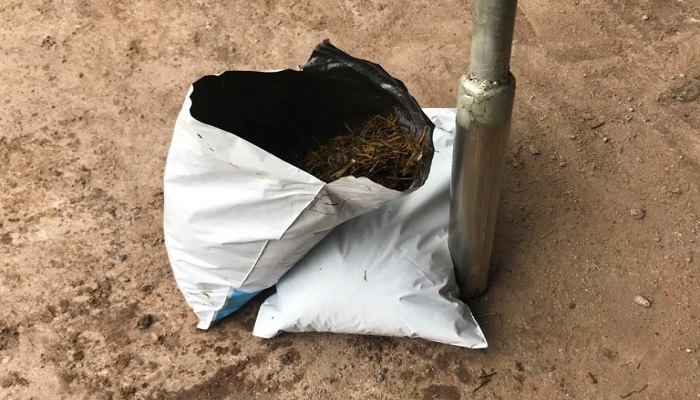
She recommended sampling silage pits in a W pattern across the pit face to obtain representative samples, prioritising fresh faces inside the clamp. For bales, samples should be taken from each batch—whether first, second, or surplus—to ensure accurate quality assessment.
Benefits and quality benchmarks
Silage testing provides crucial data on forage quality, energy density, protein content, and palatability. Claffey emphasised forage quality as the foundation for balancing feed costs, supplement use, and achieving targeted animal performance.
For optimal results, dry matter digestibility (DMD) values should range between 70-75% for high-quality silage, with crude protein content ideally at 12-14% minimum. Slightly lower DMD values (66-68%) may be acceptable for suckler cows pre-calving. When crude protein falls below 12%, adjustments in supplementary feeding are necessary.
Producers seeking further guidance can listen to the full episode of the Beef Edge podcast titled ‘Getting Winter Ready: Winter Nutrition’ available on the official website.