Understanding soil pH's role in crop nutrition
Soil pH levels significantly influence nutrient availability, particularly phosphorus, which affects crop growth. Teagasc expert Veronica Nyhan explains how managing acidity through liming can optimise fertiliser efficiency and boost yields across Irish farms.
Source:
Teagasc Agricultural News
•
⏱️ 1 min read
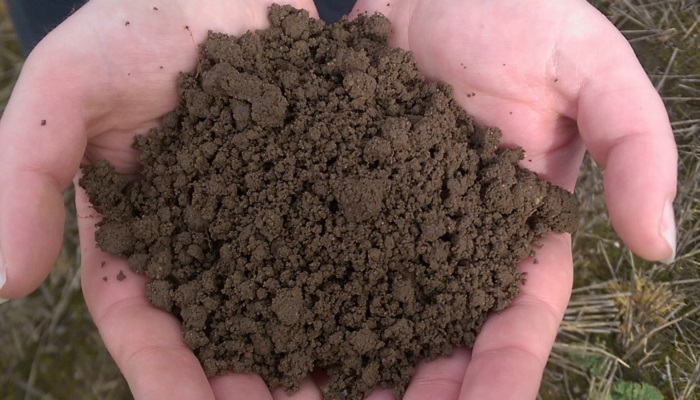
A seemingly small difference in soil pH can have a major impact on soil acidity due to its logarithmic nature. Veronica Nyhan, Soil and Plant Nutrition Specialist at Teagasc, highlights that a drop of one pH unit equates to a tenfold increase in hydrogen ion activity, drastically altering soil conditions for crops.
Phosphorus availability is especially sensitive to acidic soils. When pH falls below 6.0, phosphorus tends to bind with iron and aluminium, reducing its accessibility to plants despite its presence in the soil. Liming to correct acidity can enhance phosphorus uptake, improving the efficiency of both existing soil nutrients and added fertilisers.
Farmers are advised to review recent soil tests and target optimal pH levels—around 6.5 for cereals and 6.8 for beans and oilseed rape. Lime application should be based on laboratory recommendations considering soil buffering capacity, applied evenly and incorporated properly while avoiding waterlogged conditions. Planning lime treatments well ahead of planting is crucial for better nutrient management and maximising crop performance.
0 views