Soil organic matter drives agricultural productivity and climate resilience
Teagasc experts highlighted the vital role of soil organic matter in supporting Irish agricultural resilience during a dedicated national awareness campaign last week. Researchers emphasised that safeguarding these crucial carbon reserves ensures long-term farm productivity and environmental protection.
Source:
Teagasc Agricultural News
•
⏱️ 1 min read
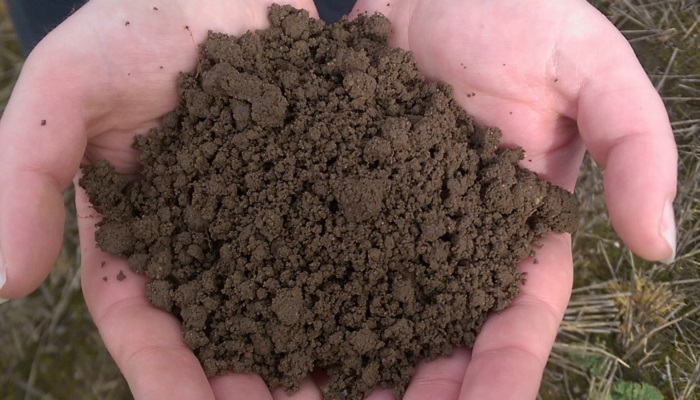
Soil organic matter serves as a fundamental cornerstone for Irish farming systems, influencing everything from crop productivity to water quality. According to Dr Fiona Brennan from Teagasc, this vital component comprises decomposed plant and animal remains alongside living soil biology. While Irish lands generally boast healthy carbon reserves, repeated tillage, compaction, and harvesting without replenishment can deplete these natural assets over time.
Organic matter functions simultaneously as a sponge, a structural glue, and a nutrient reservoir that fuels essential soil organisms like earthworms and beneficial bacteria. Soils rich in organic integrity prove significantly more resilient against extreme weather events, including heavy rainfall and prolonged drought. Maintaining living roots through multispecies swards, cover crops, and permanent grassland alongside returning farmyard manure helps preserve and rebuild these indispensable underground reserves.
To promote these sustainable practices, Teagasc recently hosted a series of nationwide events, farm walks, and workshops for Soil Health Week. The initiative successfully connected farmers, researchers, and the wider public to underline how proactive land management secures future food security and climate adaptability. Further educational resources remain available on the official Teagasc website.
0 views