Preparing flocks for breeding season success this autumn
Sheep farmers across Ireland are urged to prioritise ewe condition ahead of mating season. Key steps include feeding strategies and ram health checks to secure next year’s lamb crop.
Source:
Teagasc Agricultural News
•
⏱️ 2 min read
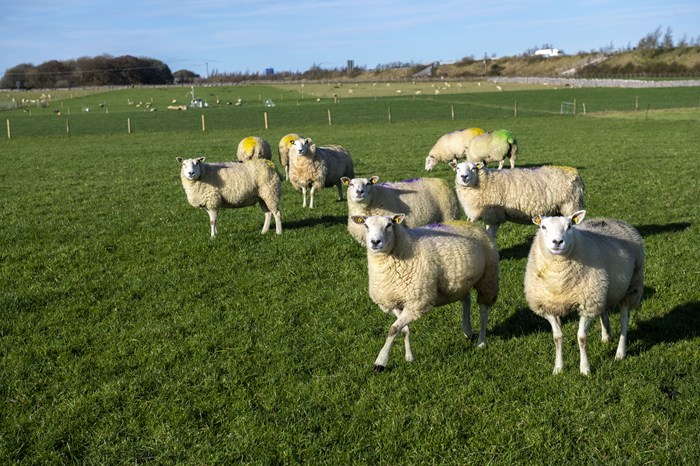
With autumn now underway, sheep farmers are focusing on preparations to ensure a productive breeding season. Damian Costello, Teagasc Sheep Specialist, highlights the critical role of ewe body condition in securing next year’s lamb crop. For lowland flocks, the target is to have ewes at least Body Condition Score (BCS) 3 at mating, ideally BCS 3.5, a target that has proven challenging this year due to summer drought conditions. Supplementary feeding with silage, hay, or concentrates may still be necessary to bridge the gap before grass supplies fully recover.
Rams also require careful attention before turnout, with a target BCS of 3.5 to 4.0. Costello advises farmers to complete routine treatments such as fluke control and footbathing prior to mating to minimise flock disturbance. Lameness must be addressed and monitored throughout the breeding period, as even minor health issues can disrupt sperm production, which takes five to seven weeks to recover. A spare ram is strongly recommended to act as a contingency in case of injury or infertility.
Mating management is equally vital, with experts recommending the use of three or more rams per group to prevent dominance issues. Farmers should also avoid mixing mature rams with ram lambs and rotate rams between groups every 14 days where possible. Effective raddle marking—using powder, crayons, or harnesses—helps track mating progress and identify potential problems early. Regular checks and adjustments ensure rams remain active and unobstructed during the breeding period.
0 views